About Me – Imphenzia
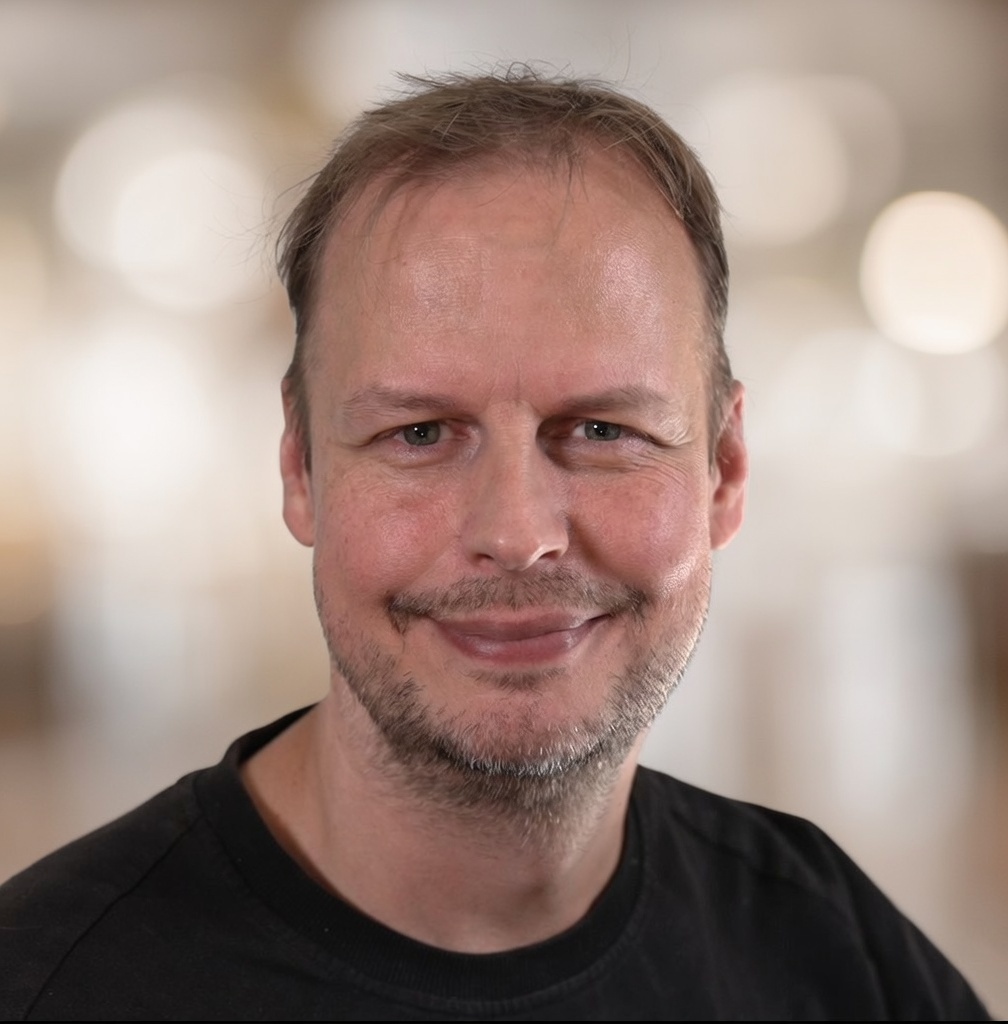
Hey there! I'm Stefan Persson, but you probably know me as Imphenzia – a Swedish-Australian indie creator who's been chasing creative sparks since the late '90s. From composing electronic trance and chillout tunes to diving headfirst into game development, 3D modeling, sound design, and YouTube tutorials, my journey's all about turning wild ideas into playable, hearable, and seeable experiences. I now call Brisbane, Australia home, having traded Sweden's cold winters, sleet, and endless darkness for year-round summer vibes. (And no, there aren't as many spiders and snakes as the myths suggest – it's more about sunny beaches and laid-back barbecues than dodging wildlife drama.) Whether you're here for my assets, games, or tutorials, stick around – there's a lot to unpack, and I'll take you through it step by step, from my roots to what's brewing next. Let's dive in and keep that curiosity fired up.
The Origins: From Electronic Music to a Creative Brand

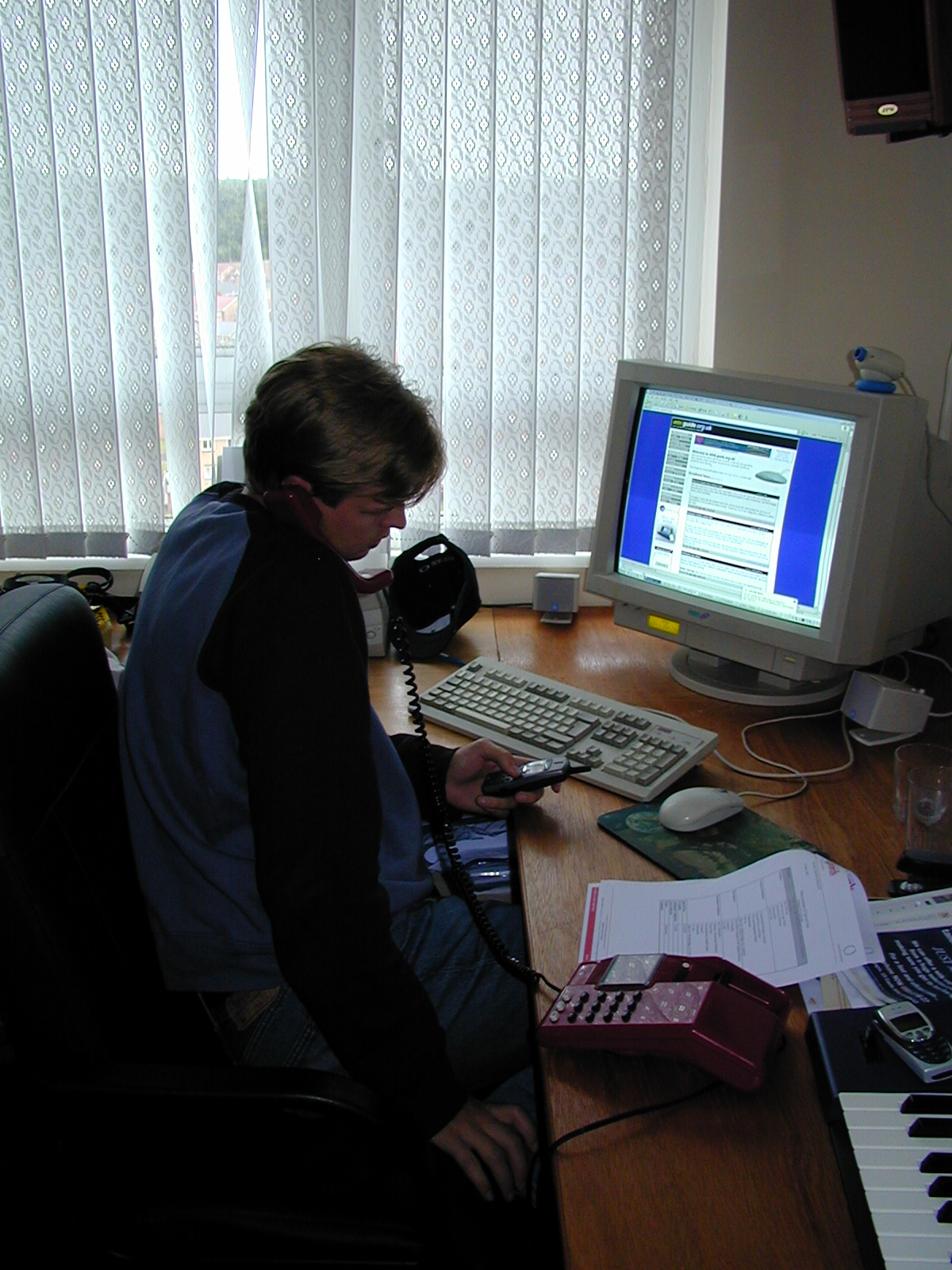
It all started back in 1997 when I needed a unique handle for my electronic music. I brainstormed "Imphenzia" – a made-up word that sounded futuristic and catchy. A quick search on whatever clunky engine ruled the web back then (maybe WebCrawler?) turned up zero hits, so I claimed it. Perfect for tracking my digital footprint!
Imphenzia began as my music alias, where I self-produced and released independent albums of trance, chillout, and ambient tracks. They're still streaming on Spotify today, and while making a living from music proved tough in those early days, it ignited my passion for sound and creation. That creative fire never faded; it just evolved. As my interest in game development grew, Imphenzia became my all-encompassing brand – covering music, games, assets, YouTube content, and educational resources. It's been my north star through career shifts and continent hops, reminding me that creativity doesn't fit neatly into one box.
Transitioning Careers: From IT Security to Full-Time Indie Life
Born in 1975 just south of Stockholm, Sweden, I grew up tinkering with computers and sounds. I spent a senior year at E.O. Smith High School in Connecticut, USA, which opened my eyes to new cultures and ideas. After that, I dove into the professional world, building a 20-year career in IT security as an architect for large international retail companies and government authorities. It was stable, challenging, and paid the bills – but it wasn't my passion. In 1999, I moved to Liverpool, UK, with my girlfriend (now wife), living there until 2003 before heading back to Sweden. We built a life there until 2022, raising our three kids amid the Nordic winters.
By then, my side hustles in music and game dev were pulling me harder. I'd saved up the courage (and funds) to go full-time indie. In 2022, our family packed up and moved to Brisbane for a fresh start: escaping Europe's escalating political tensions, terror concerns, and crime, plus giving the kids an alternative platform in a sunnier spot. My wife was done with the cold and darkness, though I secretly miss the snow a bit. Now, in 2026, we're thriving here – it's all flip-flops, family barbecues, and endless creative energy. That switch from corporate security to indie freedom? Best decision ever. It lets me pour everything into what I love.
Crafting Game-Ready Assets: Sounds, Models, and More
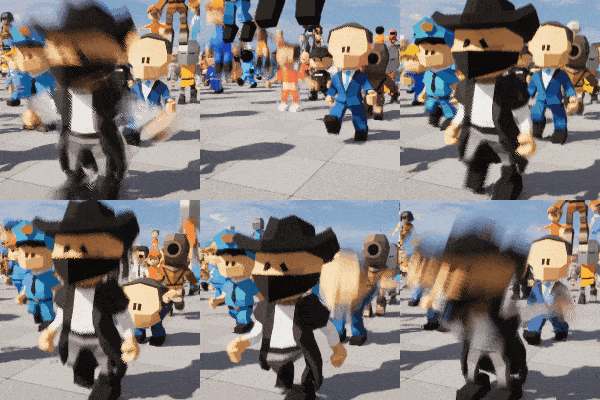
One of my biggest joys is creating assets that help other indie devs bring their visions to life. I specialize in low-poly modeling and assets, which I sell primarily on the Unity Asset Store, my own website, and the Epic Fab store. These packs include everything from modular environments to character kits – efficient, stylized, and ready to drop into your project.
I even made a detailed YouTube video on
But let's zoom in on audio – that's where things get really exciting. My flagship is Universal Sound FX, a massively popular, ever-growing library of sound effects for any game genre. Used by thousands of indie developers worldwide, it's packed with over [thousands of sounds – expanding regularly] that cover everything from UI blips to epic explosions. One standout? A particular alarm sound that found its way into a blockbuster hit – think of that tense, looping alert heard by millions in viral gameplay moments and YouTube streams. (Wink wink – you know the one.) It's thrilling to know my work adds that extra layer of immersion to games reaching global audiences. Beyond Universal Sound FX, I've released theme-specific audio packs for fireworks, blasters, spacecraft, UI, and more. These aren't just samples; they're crafted to be versatile, high-quality building blocks that spark your own sound design.
The Art of Sound Recording: A Deep Dive into My Process
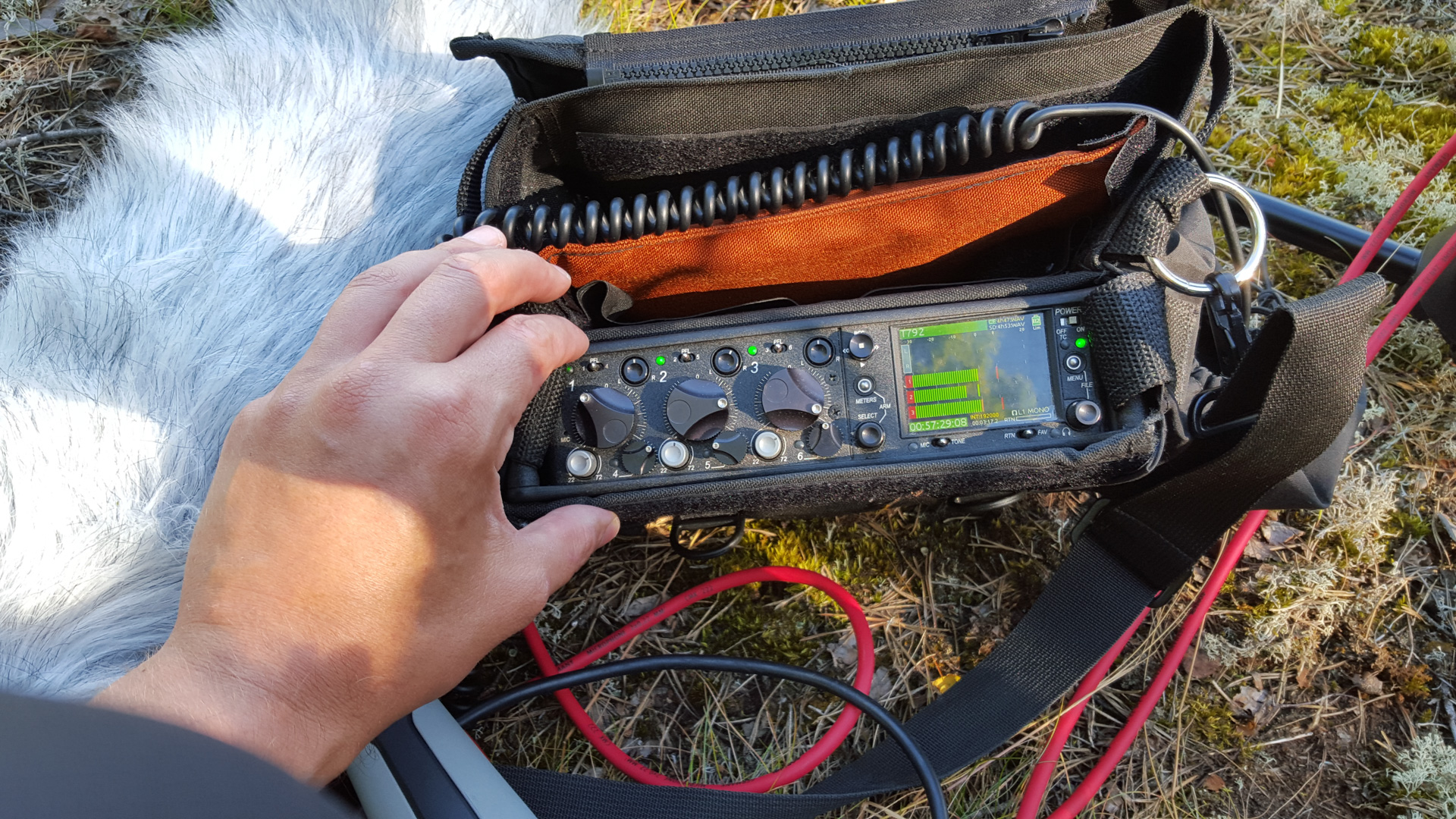
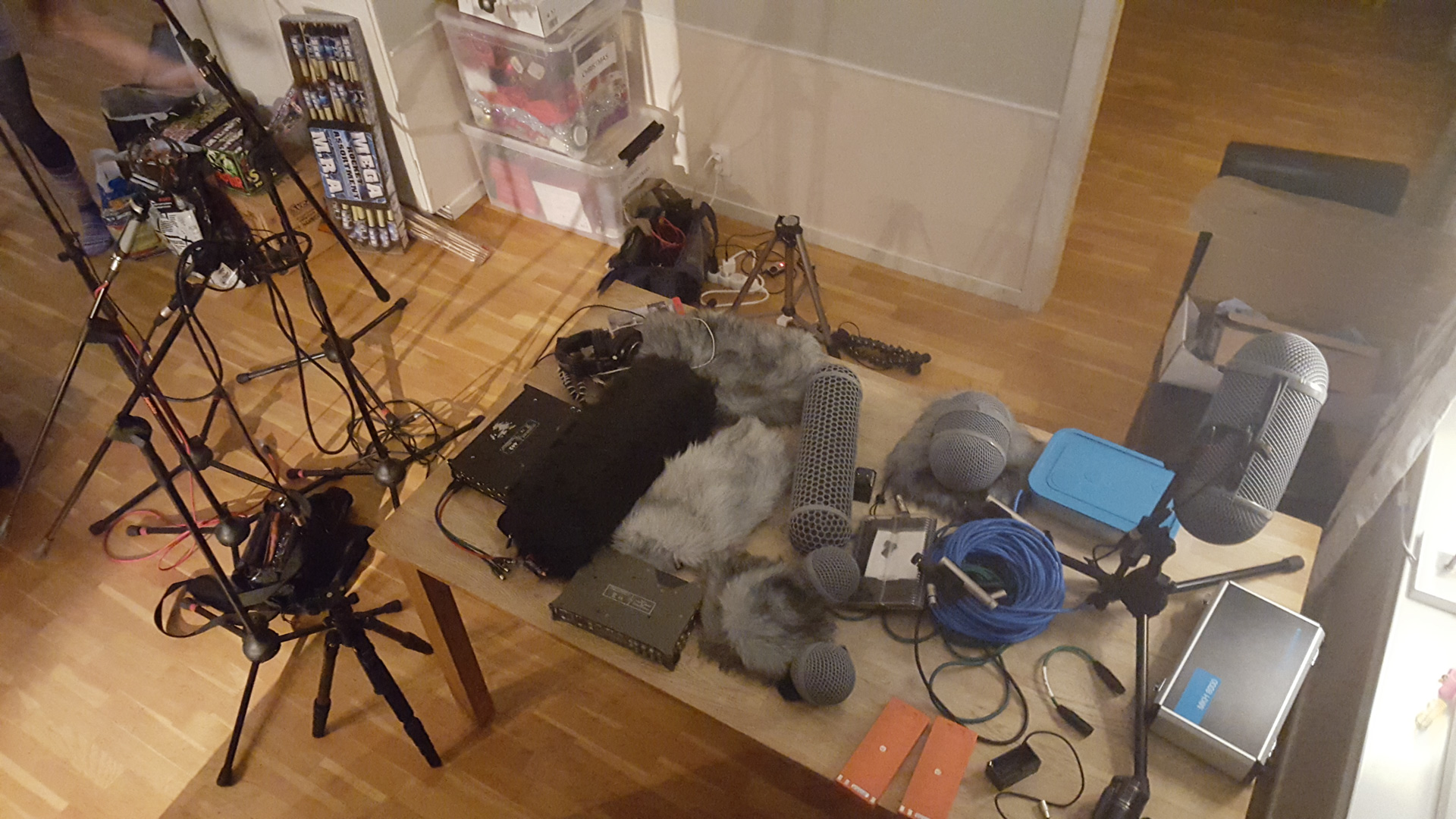
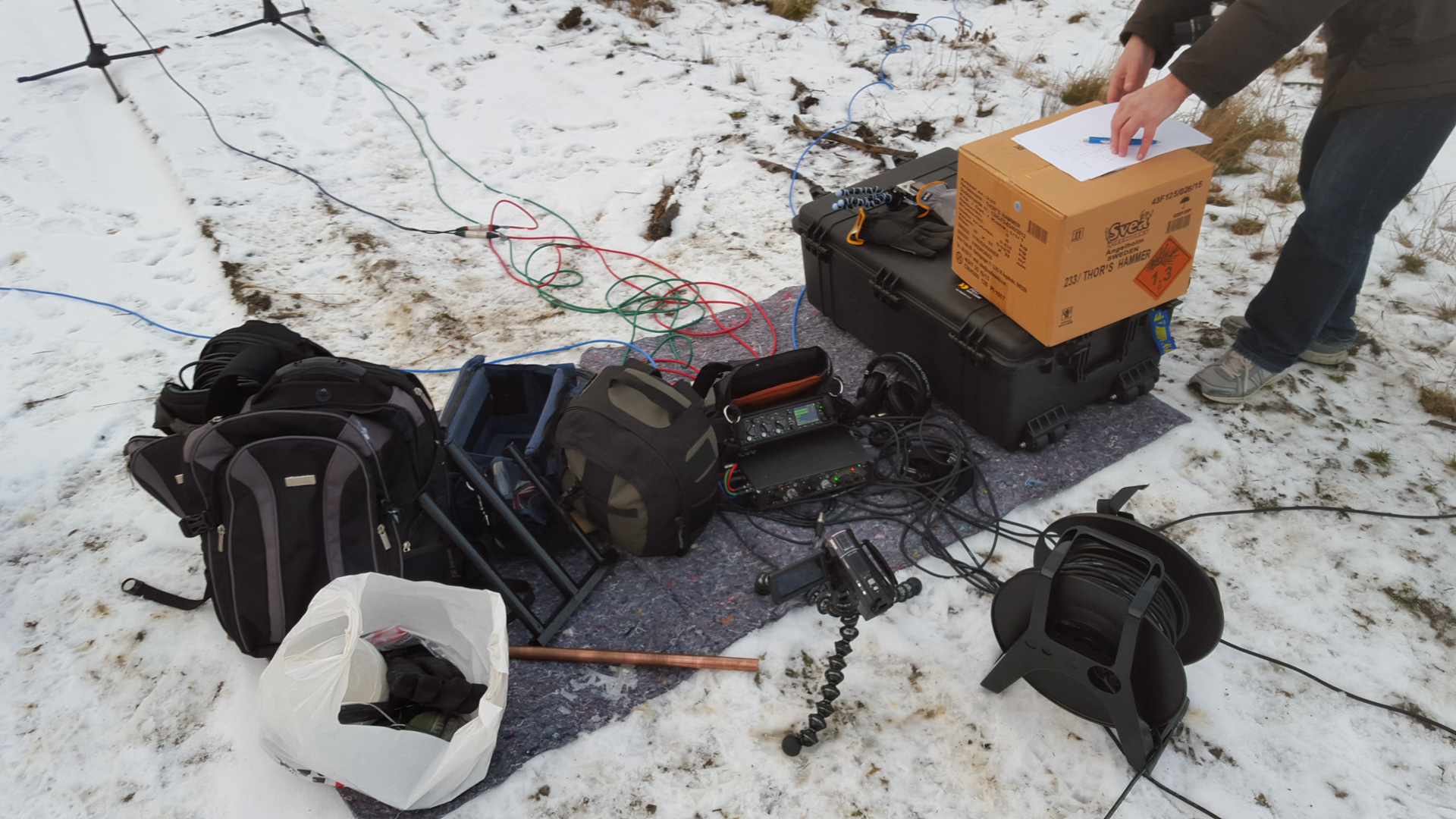
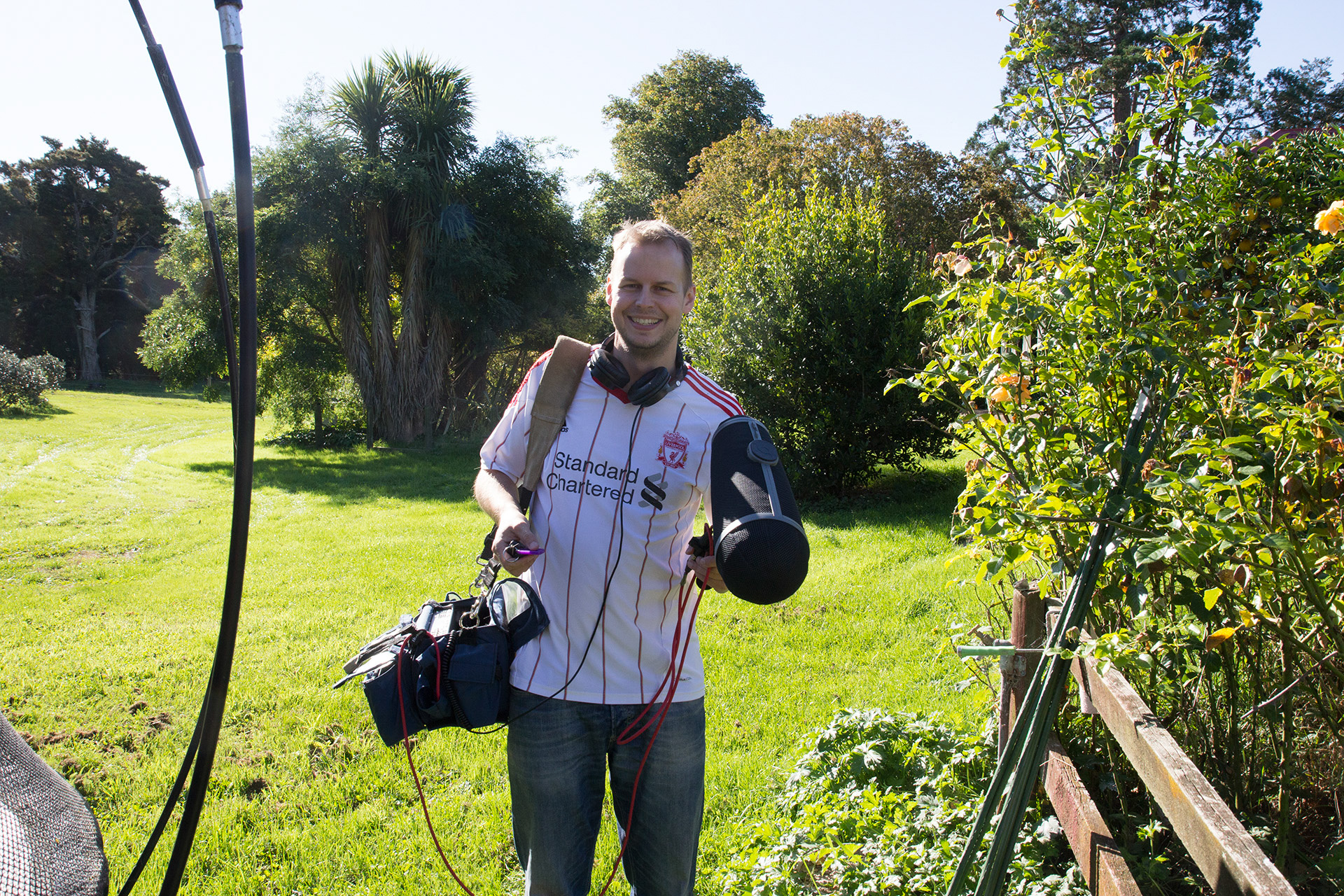
Sound design is my secret superpower – a blend of field adventures, indoor experiments, and tech wizardry. Let's break it down chronologically, because my approach has evolved from humble beginnings to pro-level setups. It all started around 2014 when I grabbed a simple handheld recorder, the Zoom H4N, and headed to a gun range. I was buzzing with excitement, capturing shots from rifles and pistols. But playback? Disaster. It sounded like weak popcorn pops – no depth, no thunderous volume, no lingering reverb. That flop sparked my obsession with audio research. I dove into podcasts like Tonebenders, devoured books like The Sound Effects Bible" by Ric Viers, and learned the golden rules: You need multiple microphones of different types, capable of handling high sound pressure levels (SPL), spaced from close-up to 50-100 meters away to capture the full spectrum – the initial blast, the echo trails, the environmental decay.
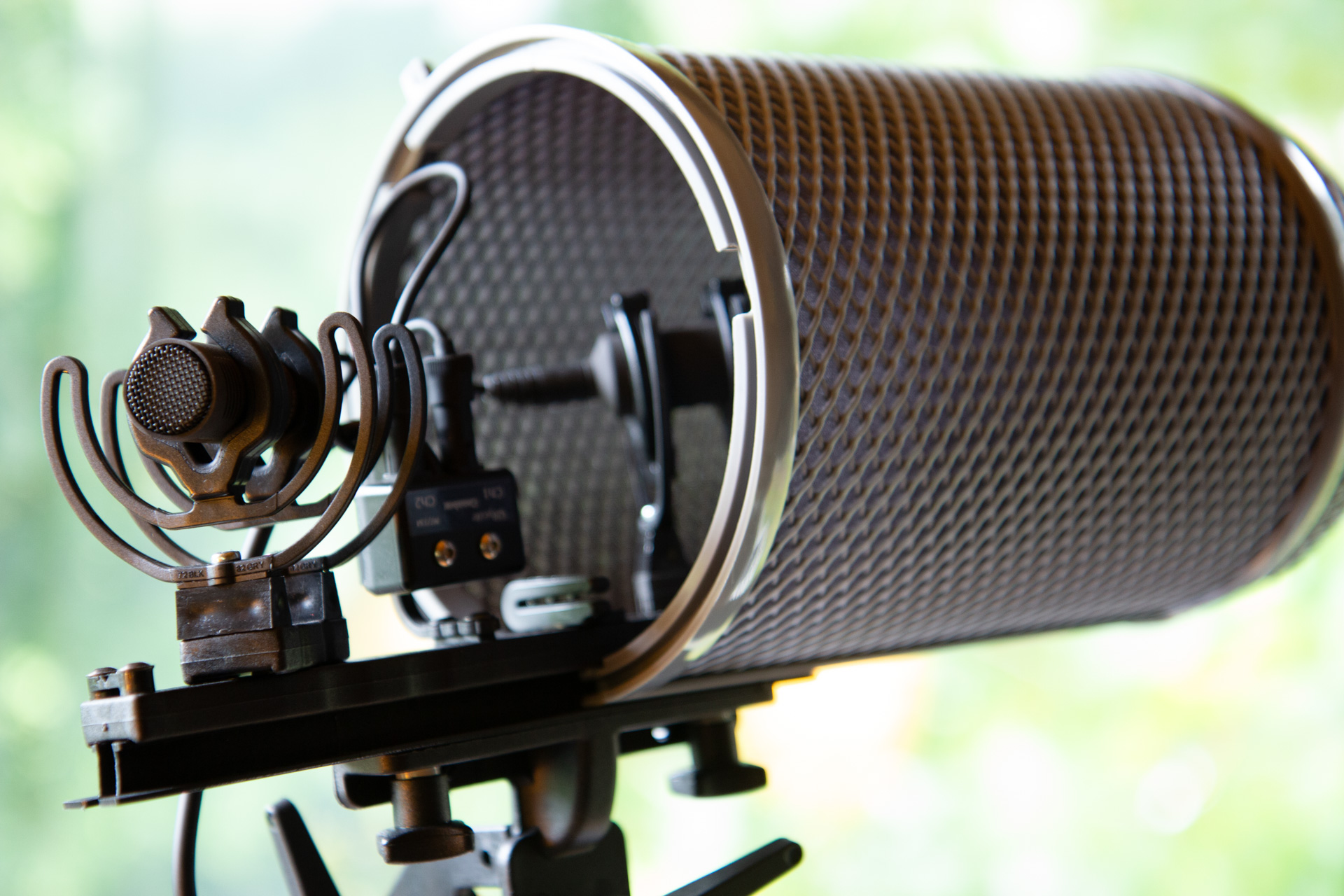
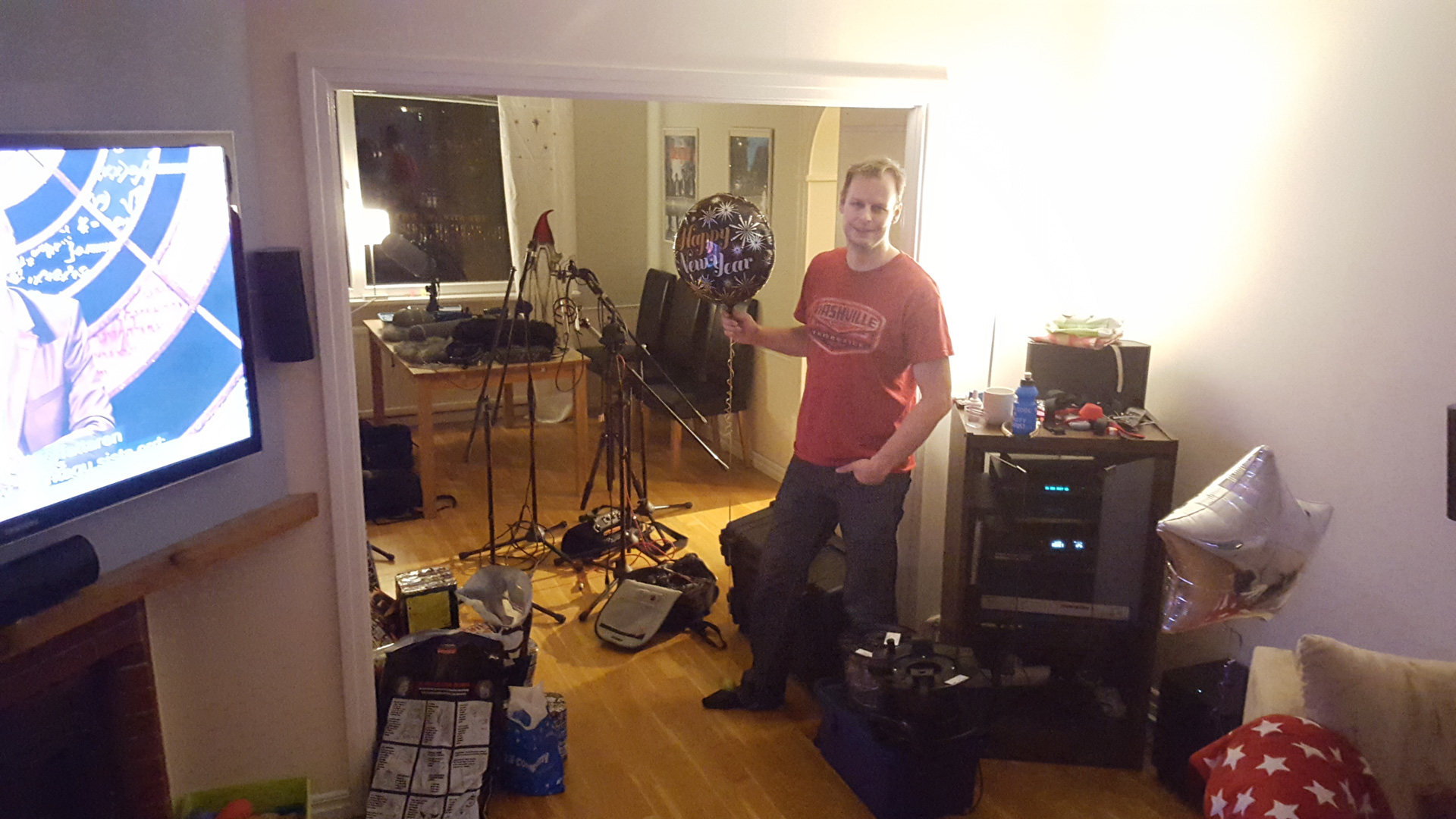
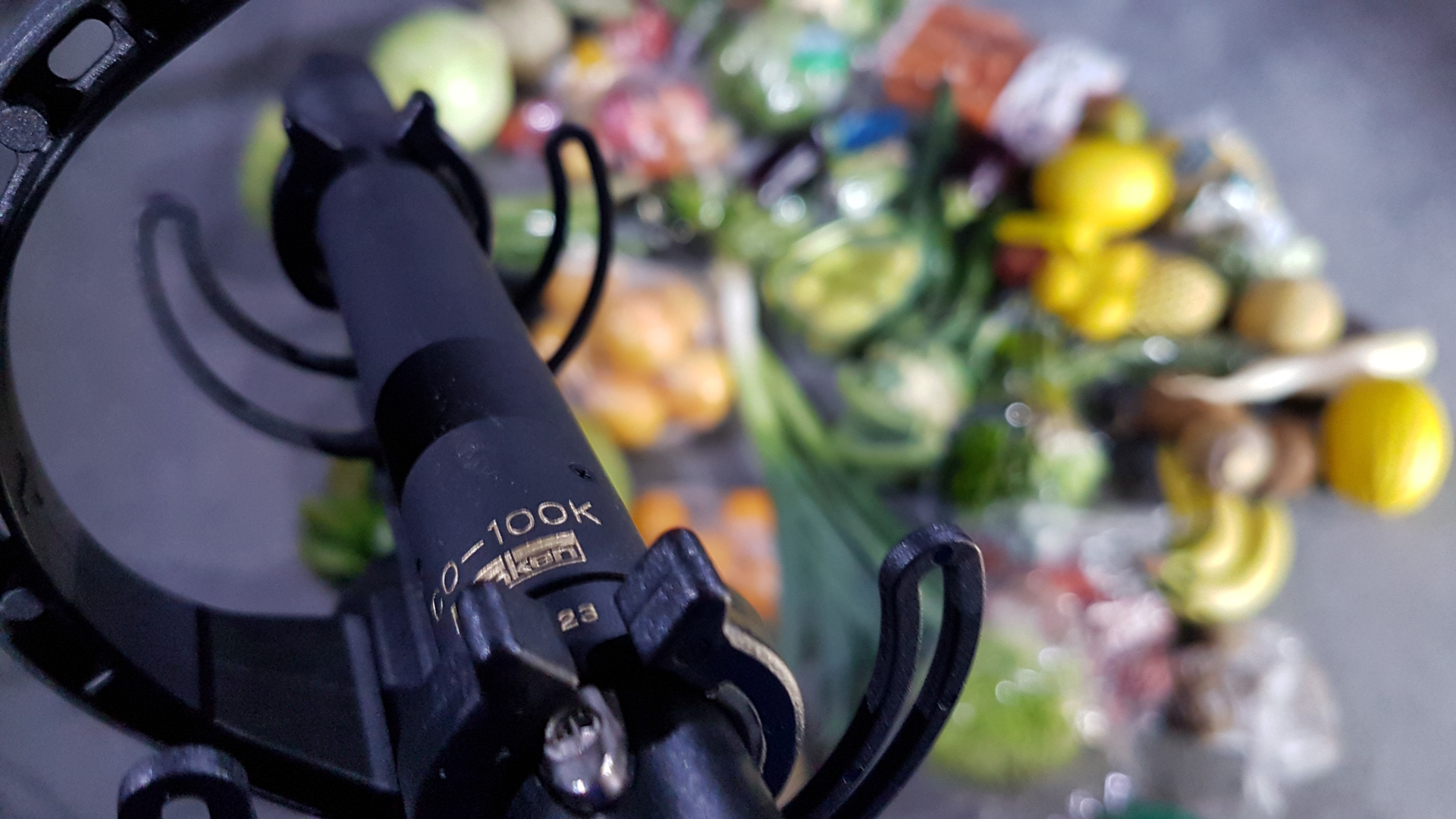
Armed with that knowledge, I invested in professional gear: low-noise Sound Devices recorders for crystal-clear captures, and a arsenal of mics like the specialized Sanken CO-100K (which grabs ultrasonic frequencies up to 100kHz – inaudible to humans but magic for pitch-shifting), a Sennheiser MKH 8050 stereo pair for precise imaging, and more. My method? Mixing raw field recordings with controlled indoor sessions, then layering in digital synthesis for hybrid sounds that pop in games.
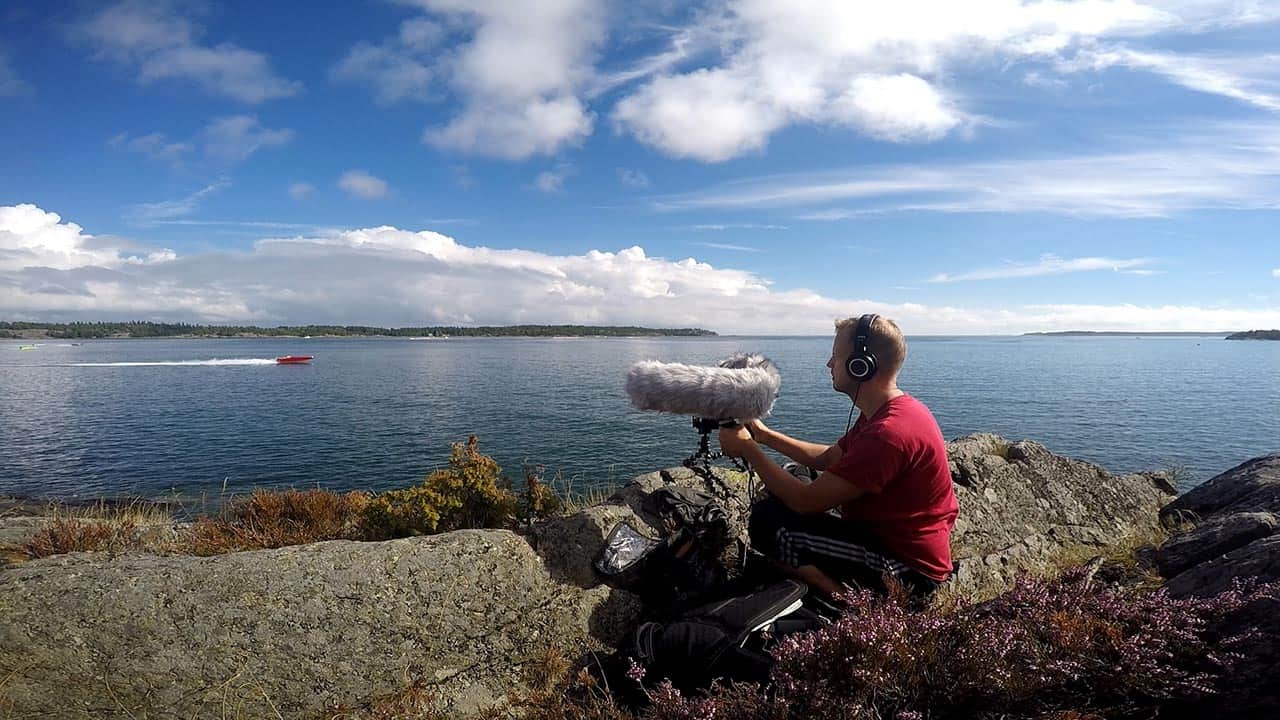
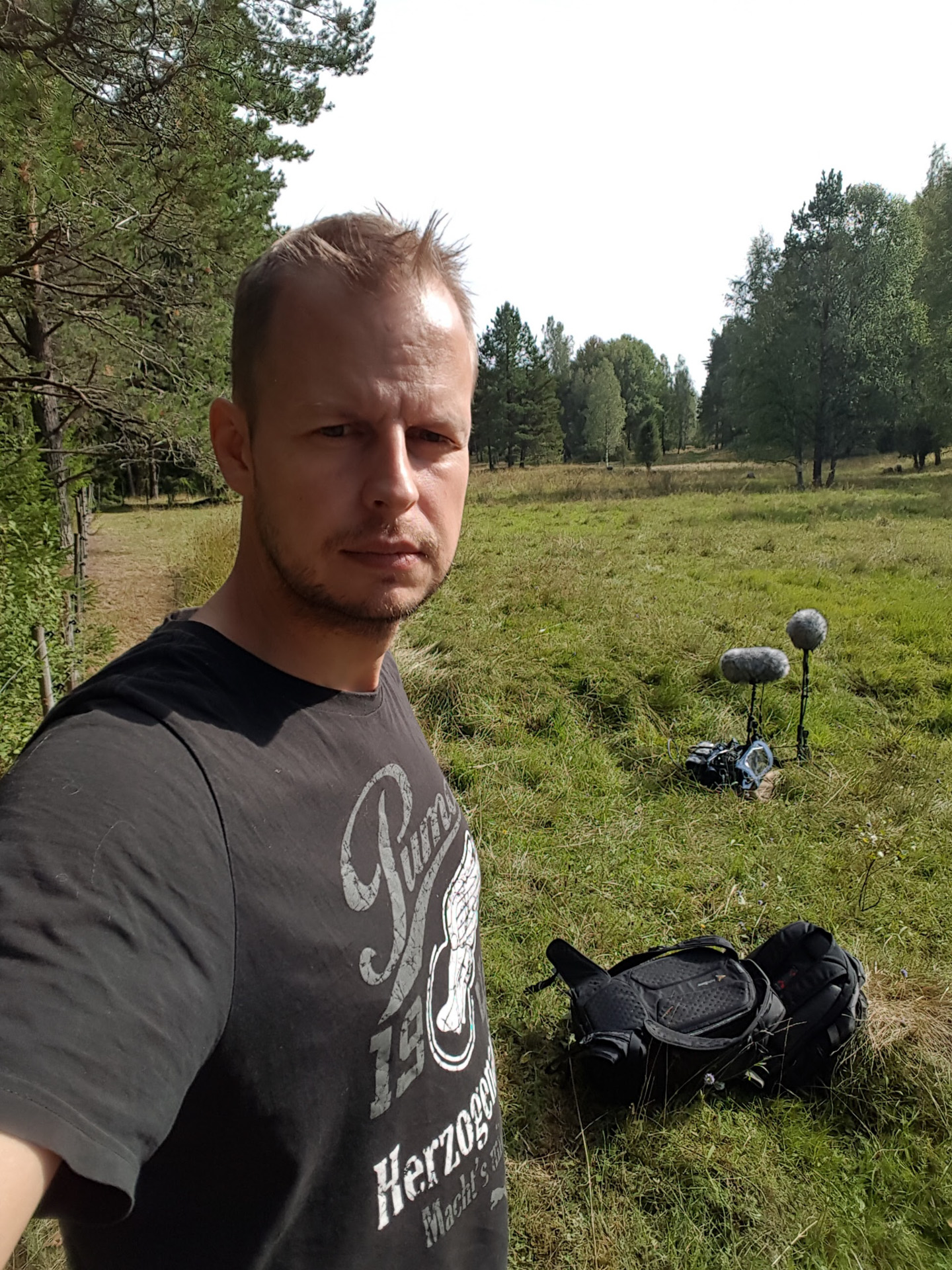
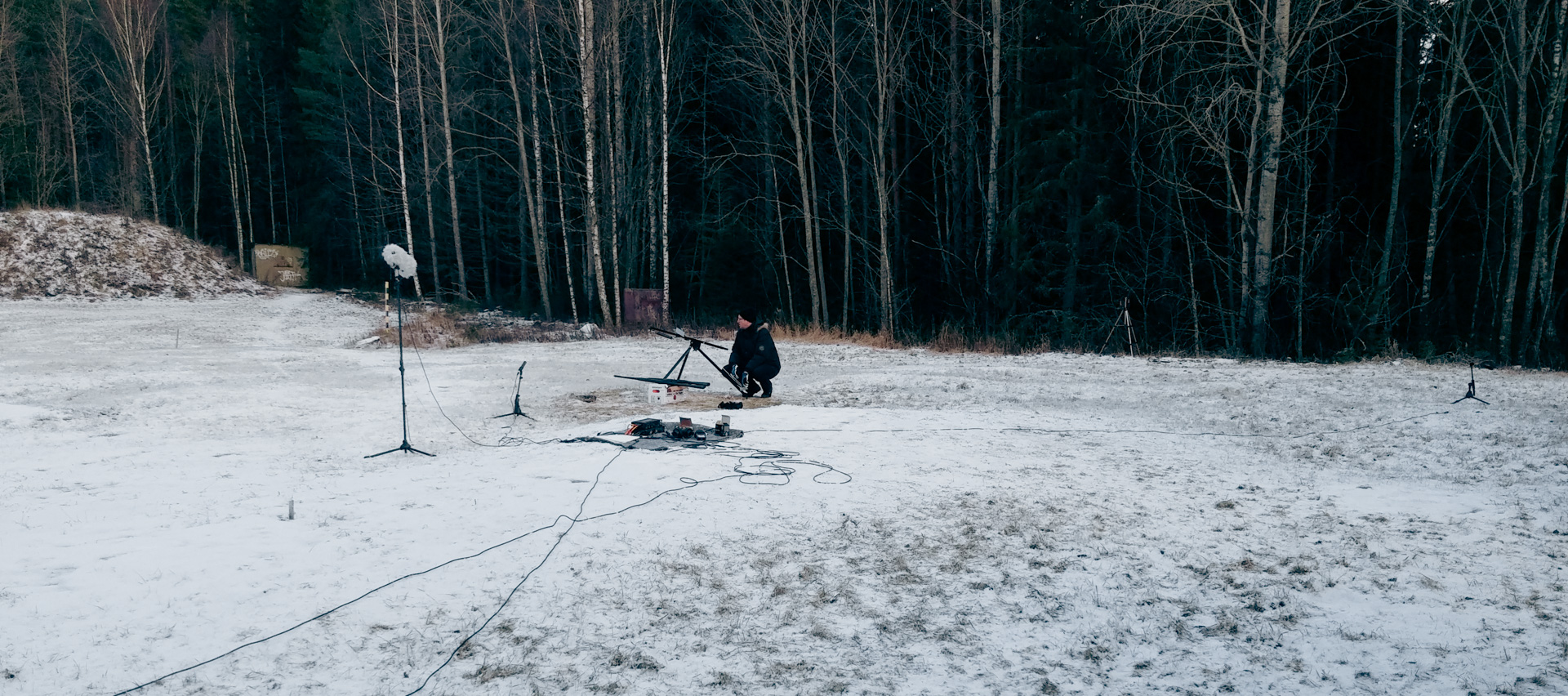
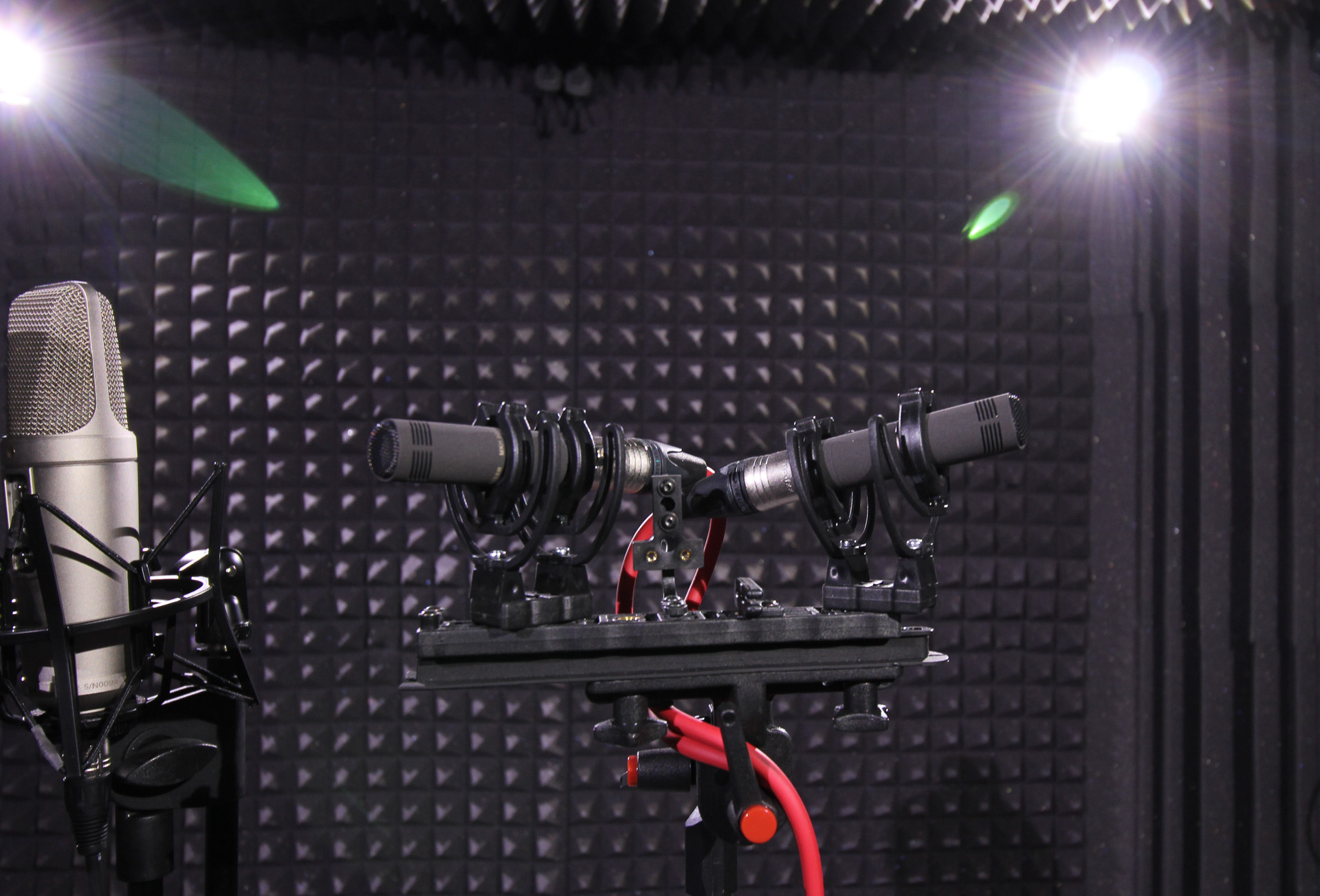
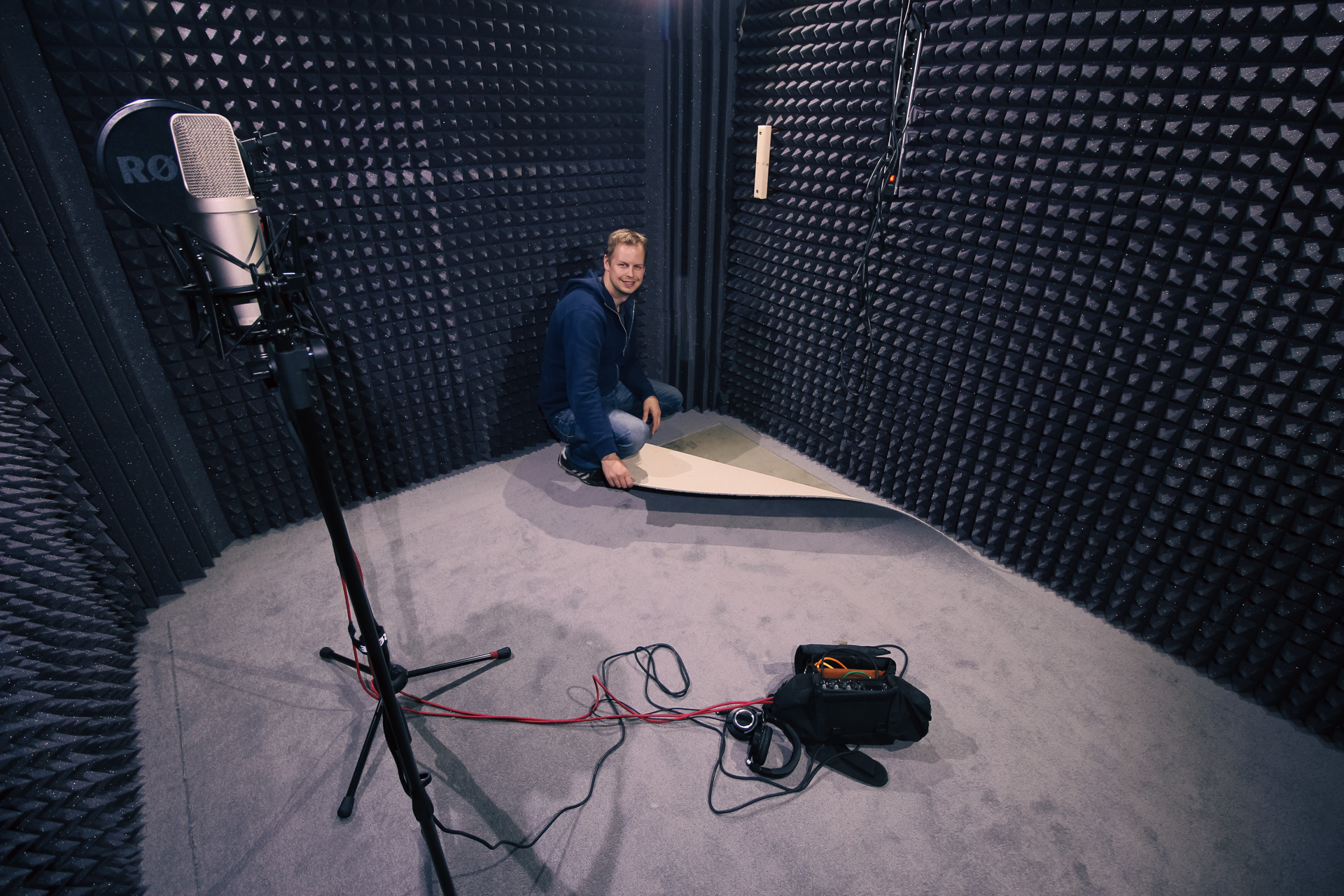
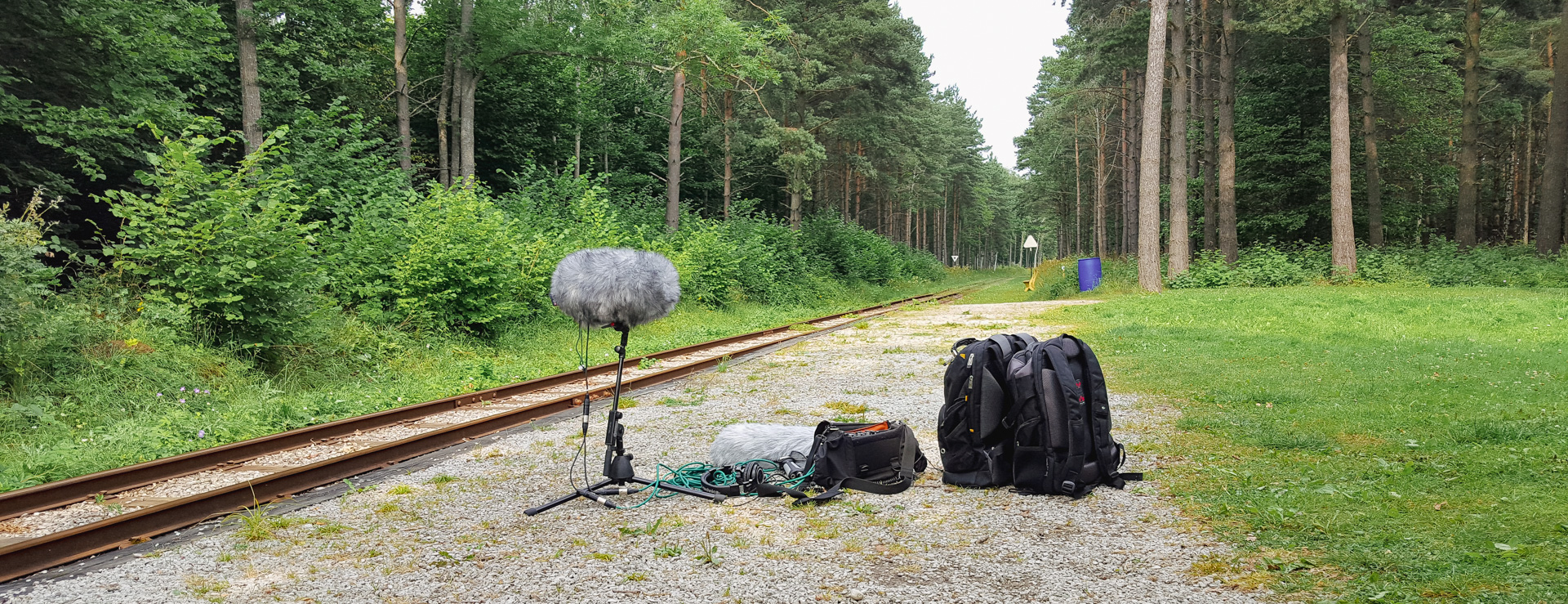
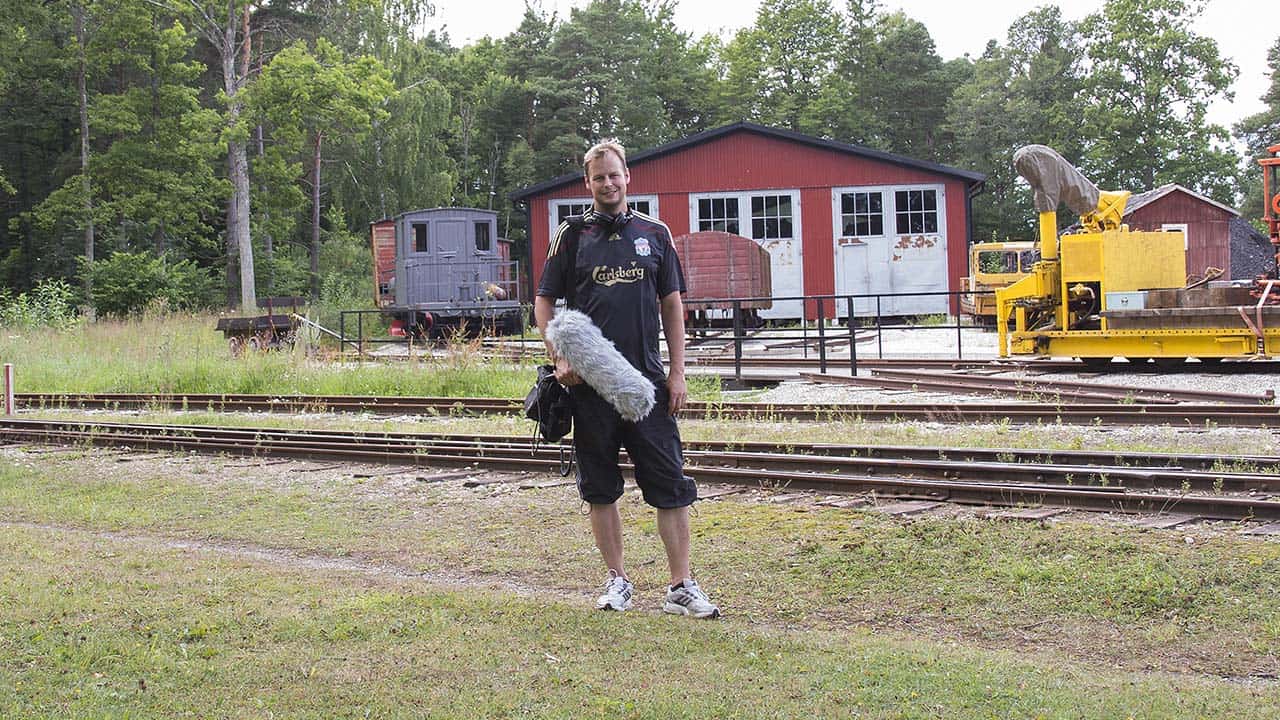
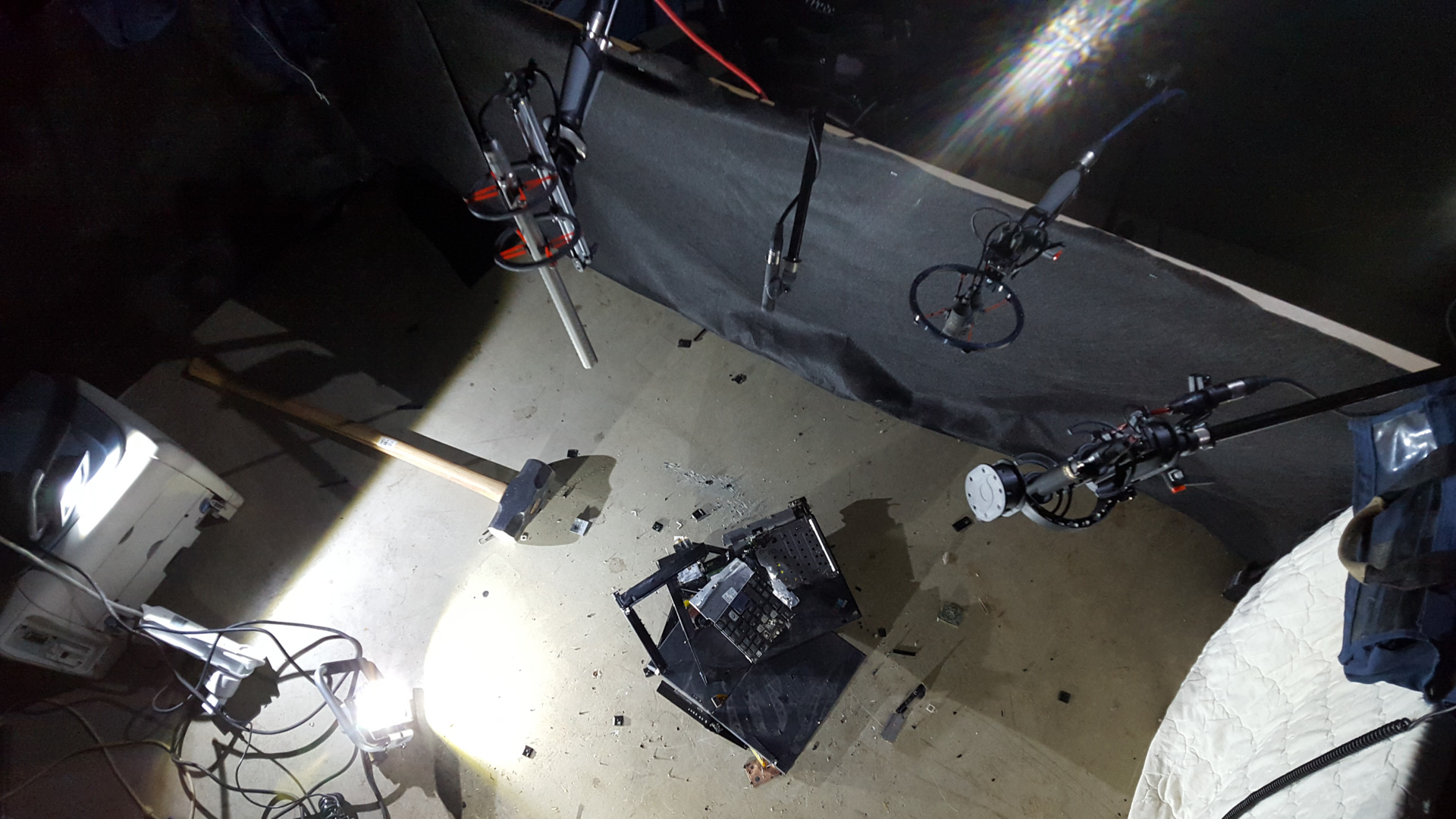
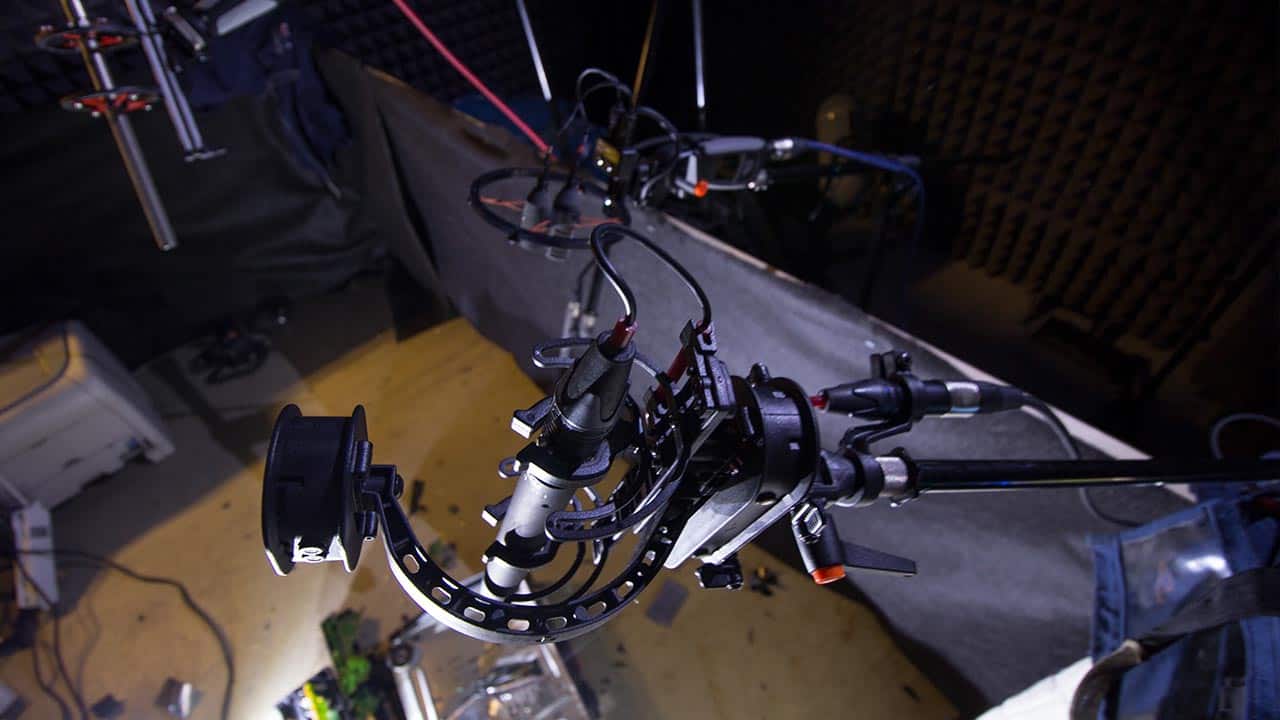
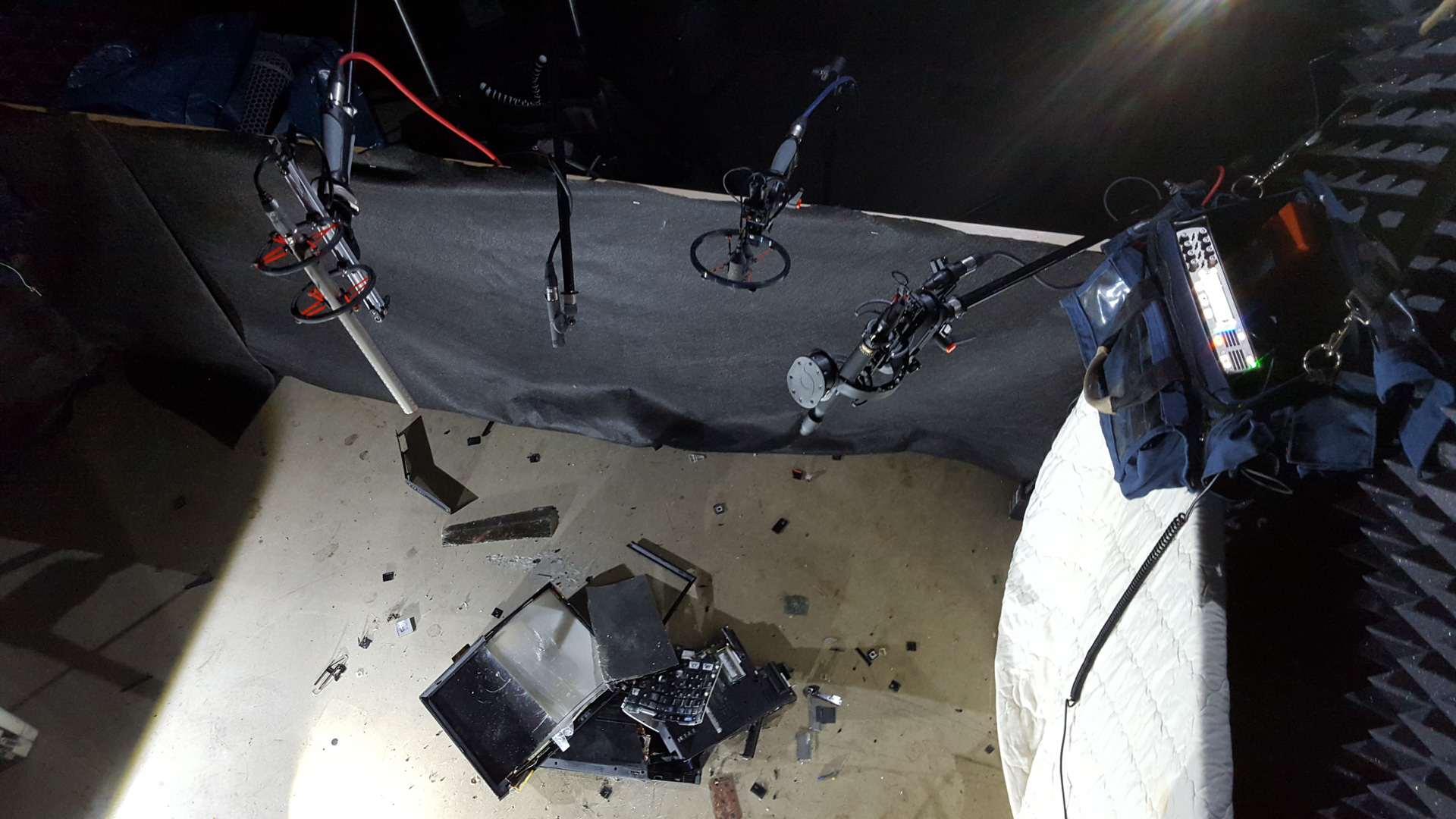
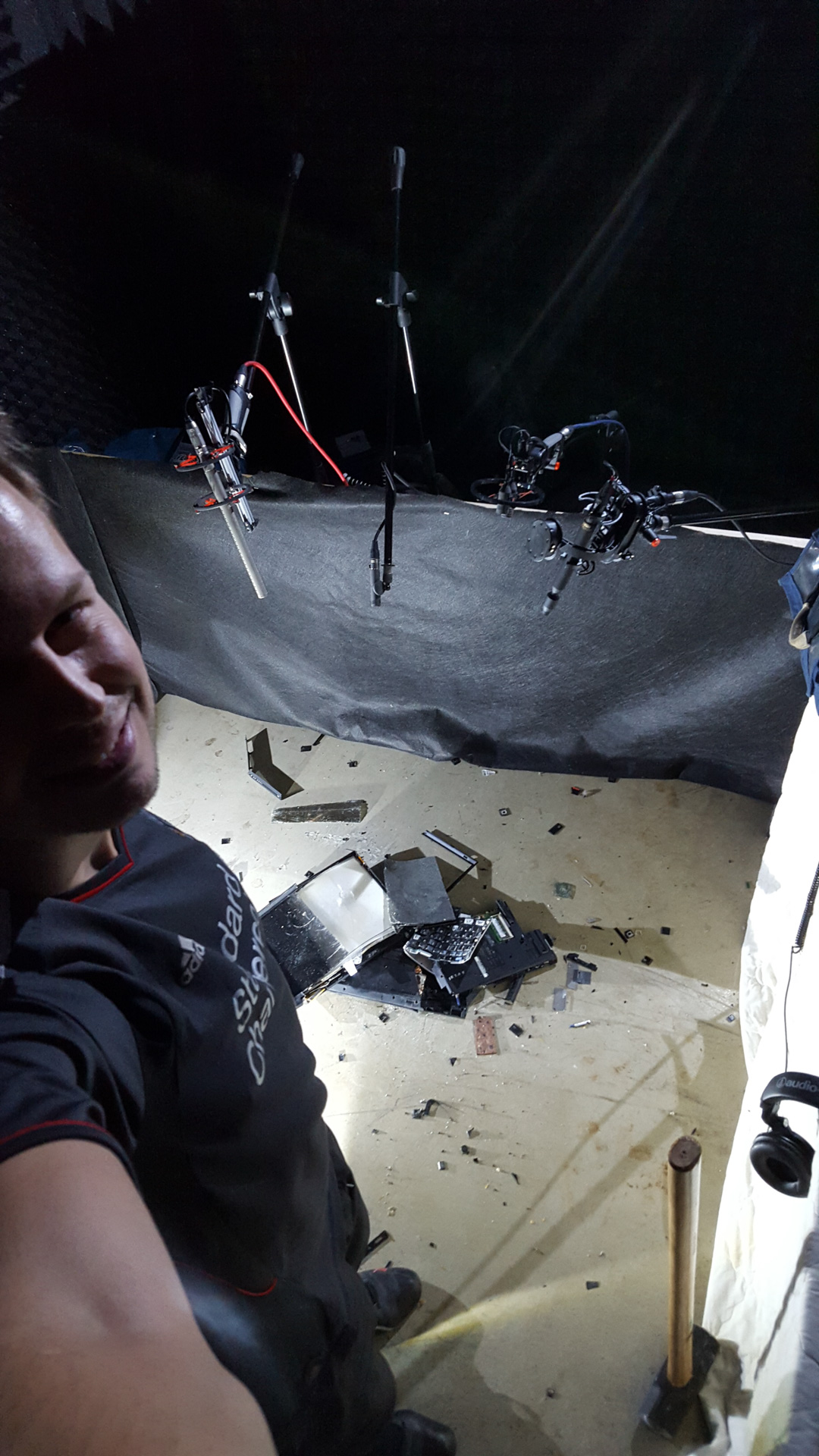
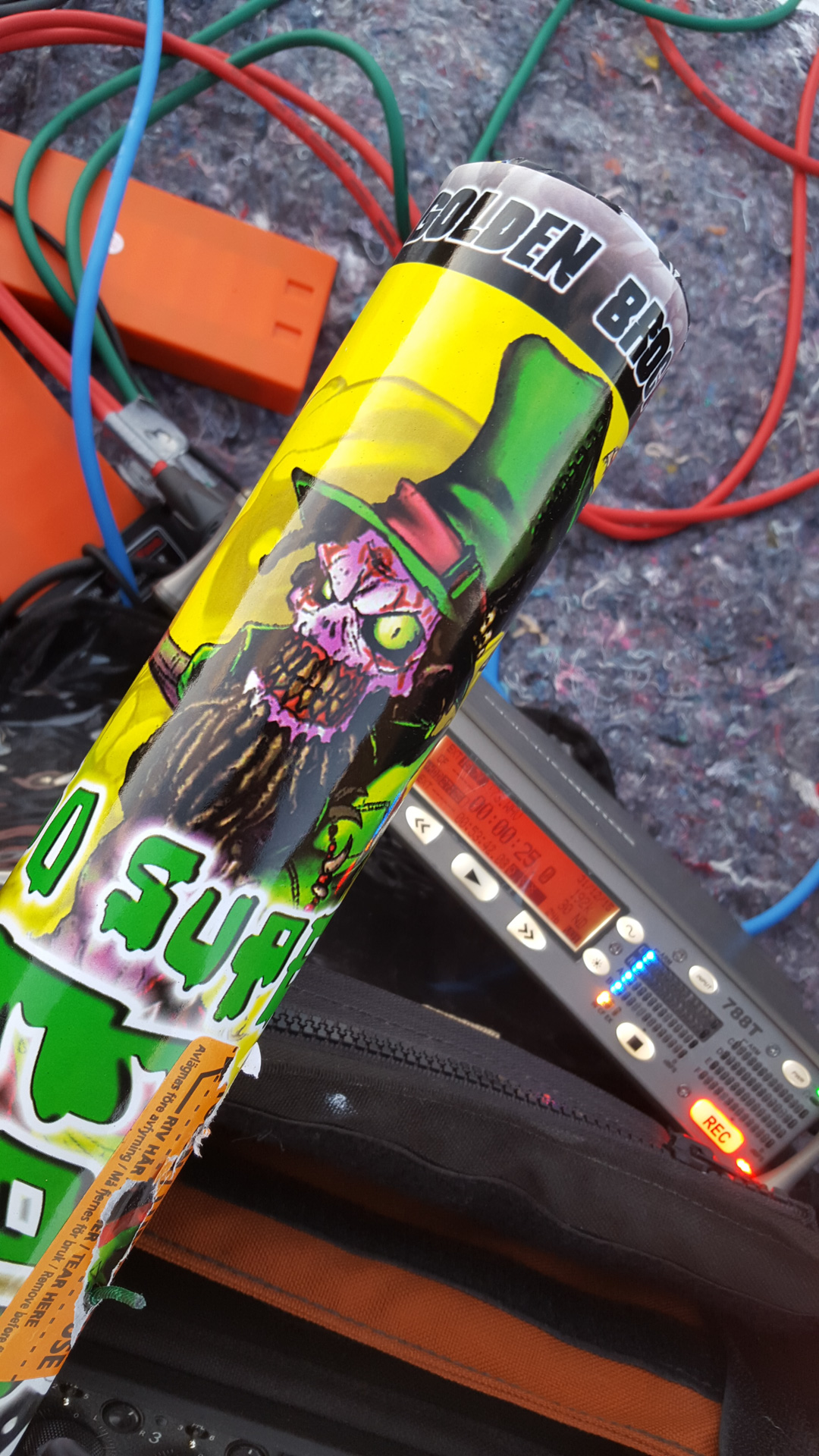
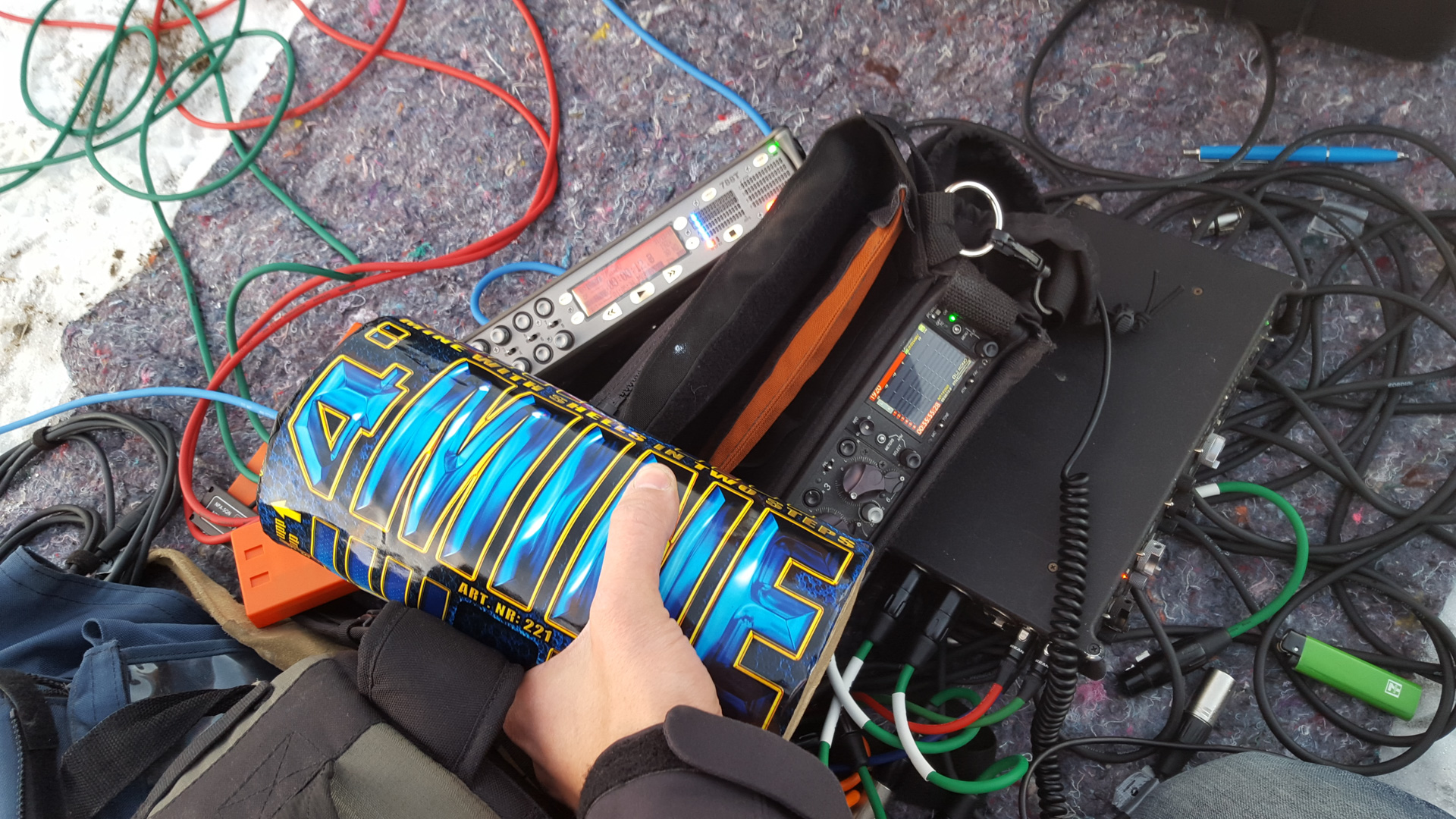
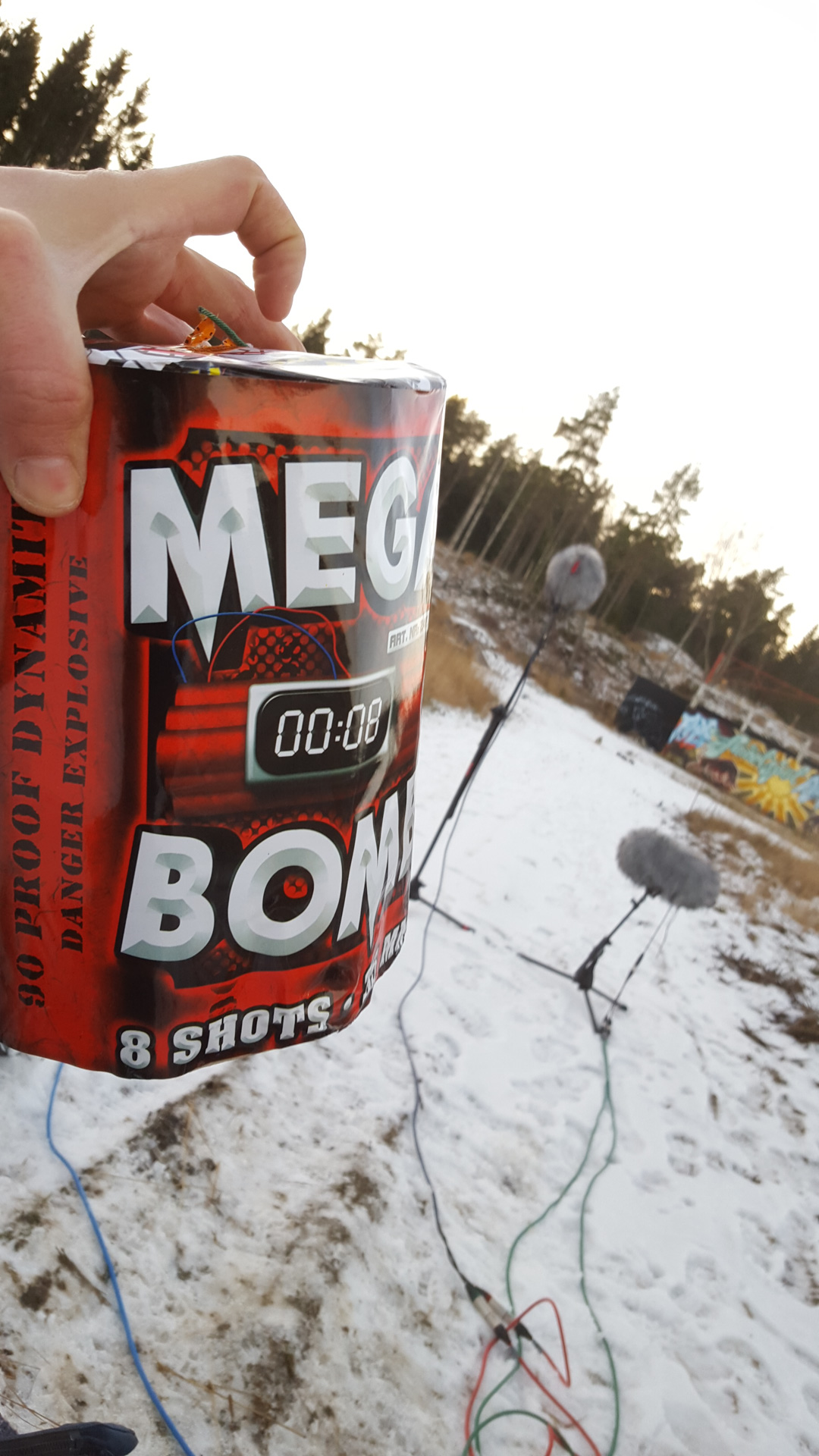
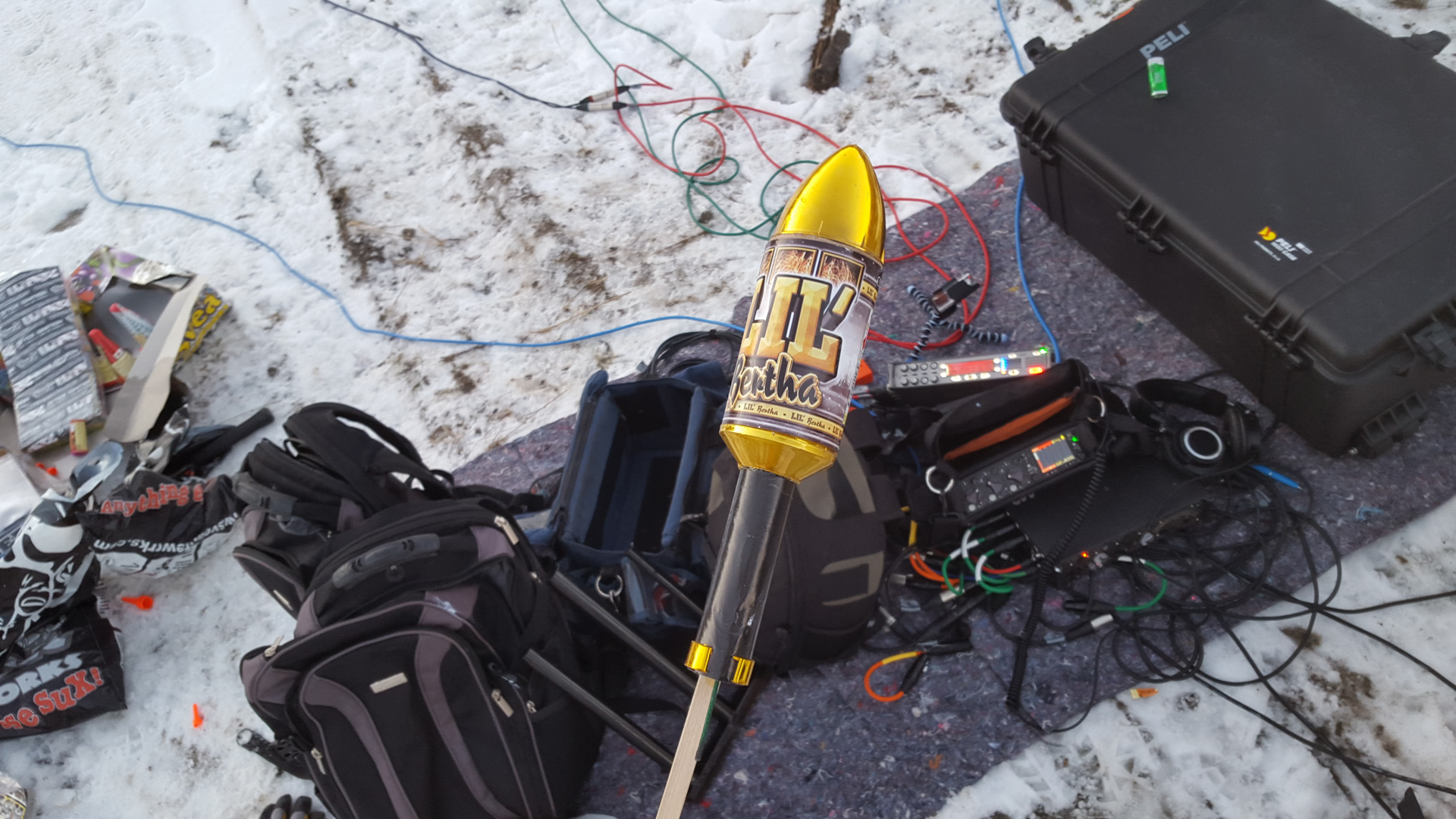
Outdoor Field Recordings:
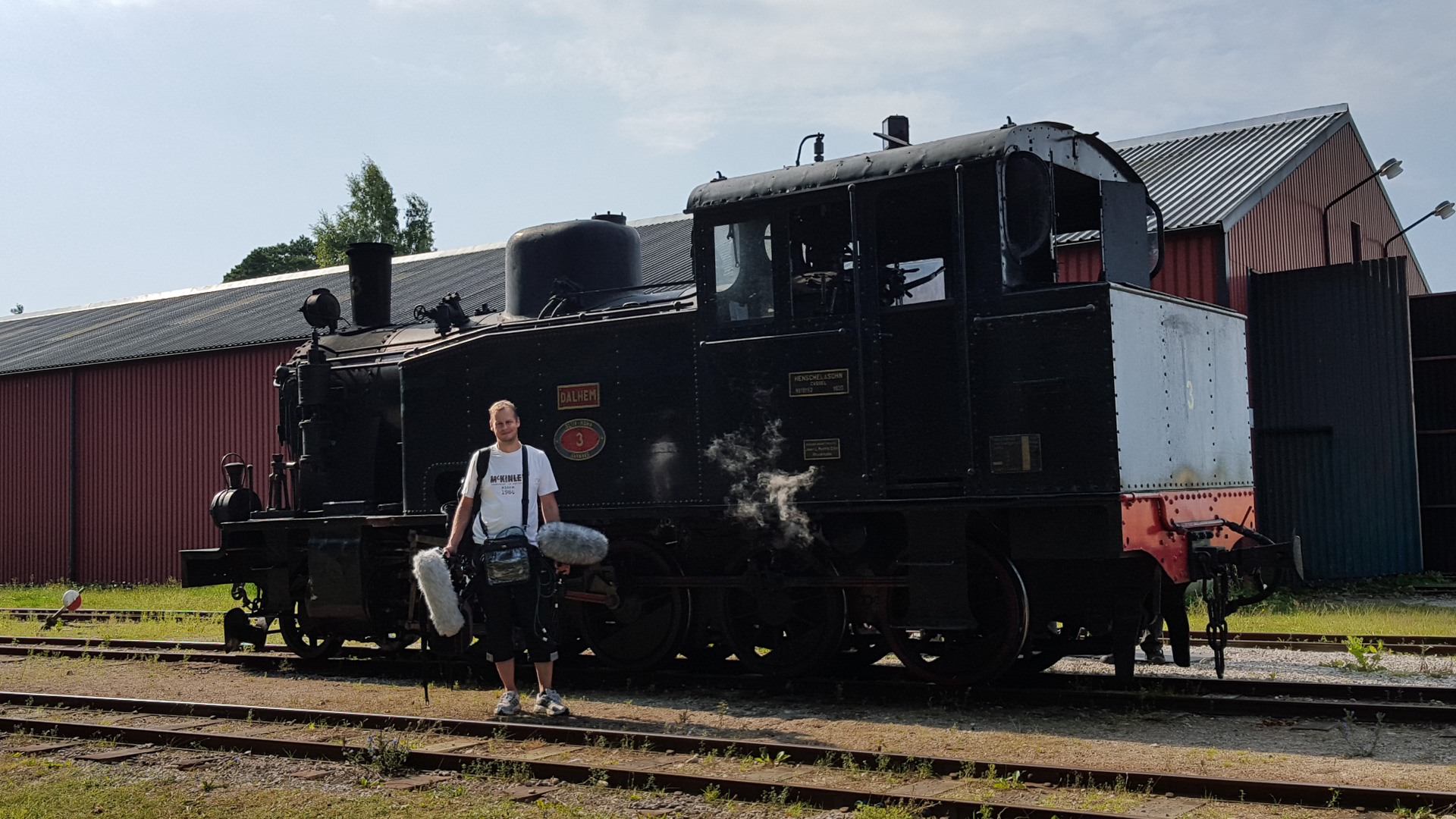
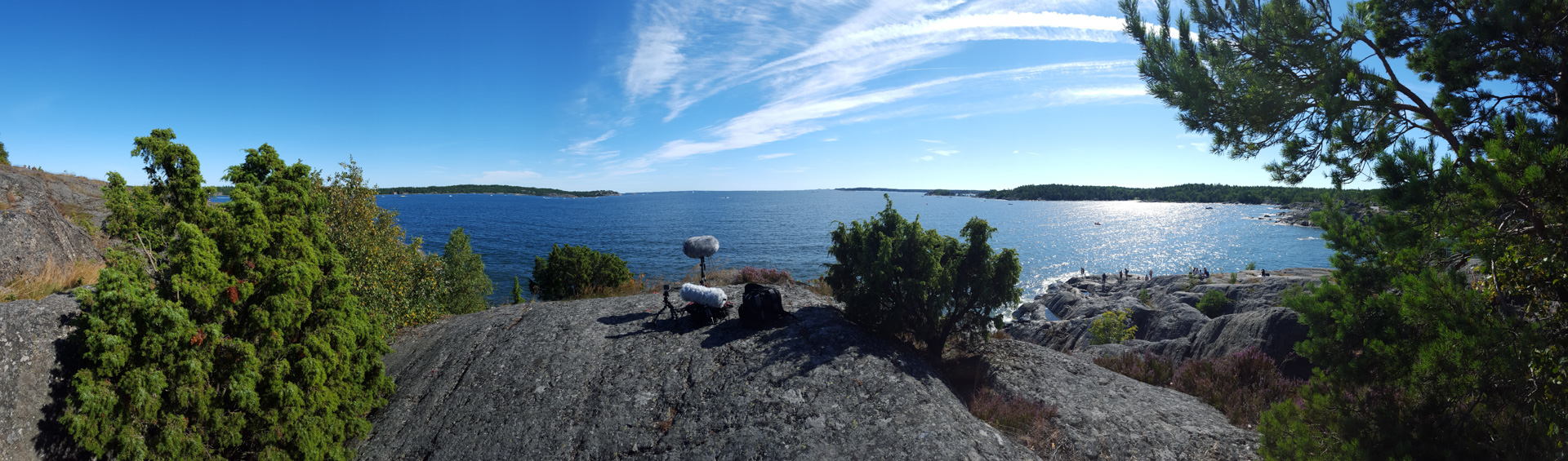
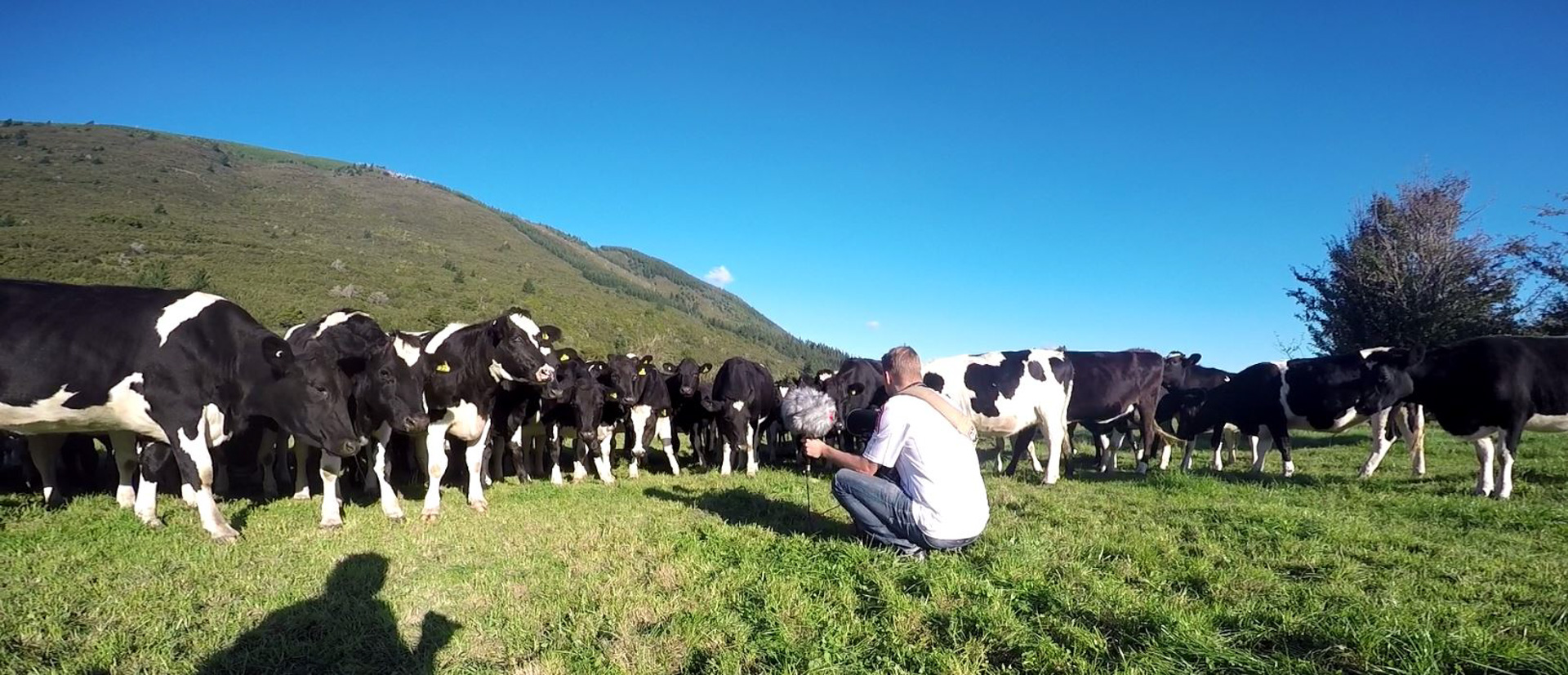
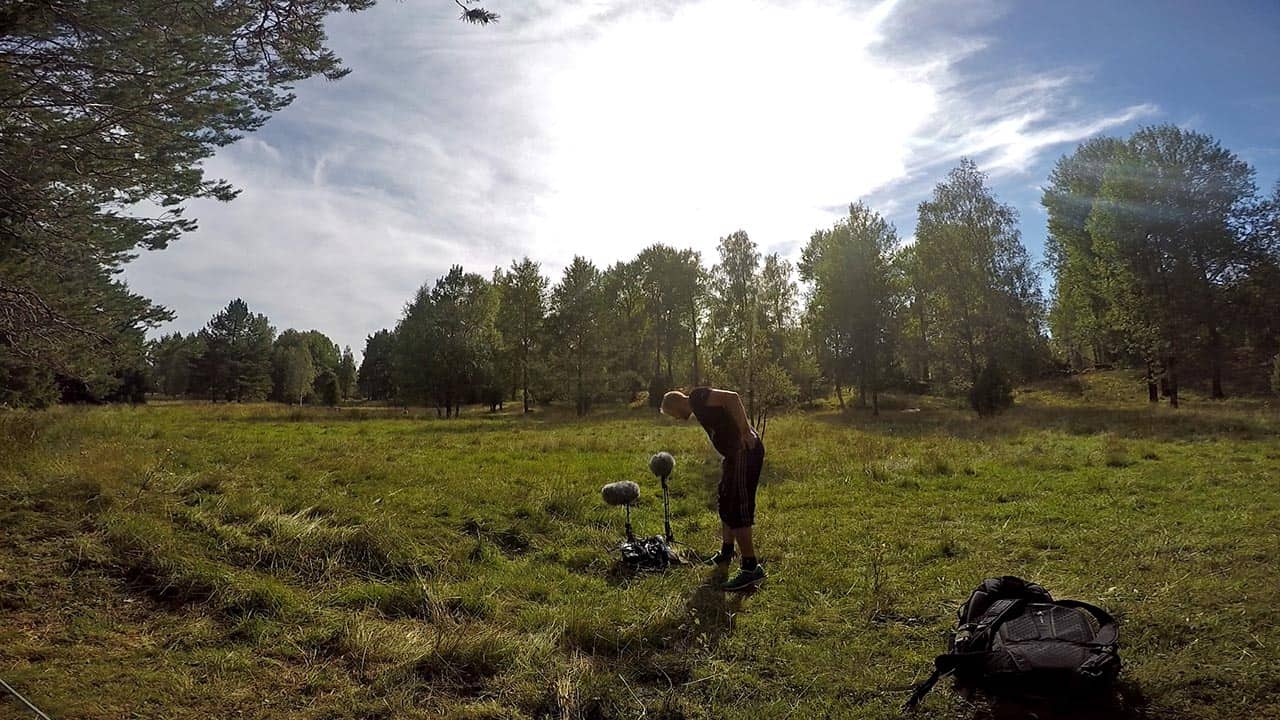
These are my adventure stories. I've chased steam trains chugging through Gotland, Sweden, capturing their rhythmic puffs and metallic groans. In Nynäshamn, Sweden, I mic'd up offshore power boat races – the roar of engines slicing through waves, the spray and revs. Farm animals? Recorded in New Zealand's lush fields and Sweden's rural barns – authentic moos, clucks, and bleats with natural ambiance. And fireworks in a wintry Swedish night? Explosive cracks and whistles echoing over snow, using that multi-mic gun technique for depth. These sources aren't just literal; with effects, filtering, and pitch-shifting, a firework becomes a sci-fi explosion or alien blast.
Indoor Isolated Recordings:
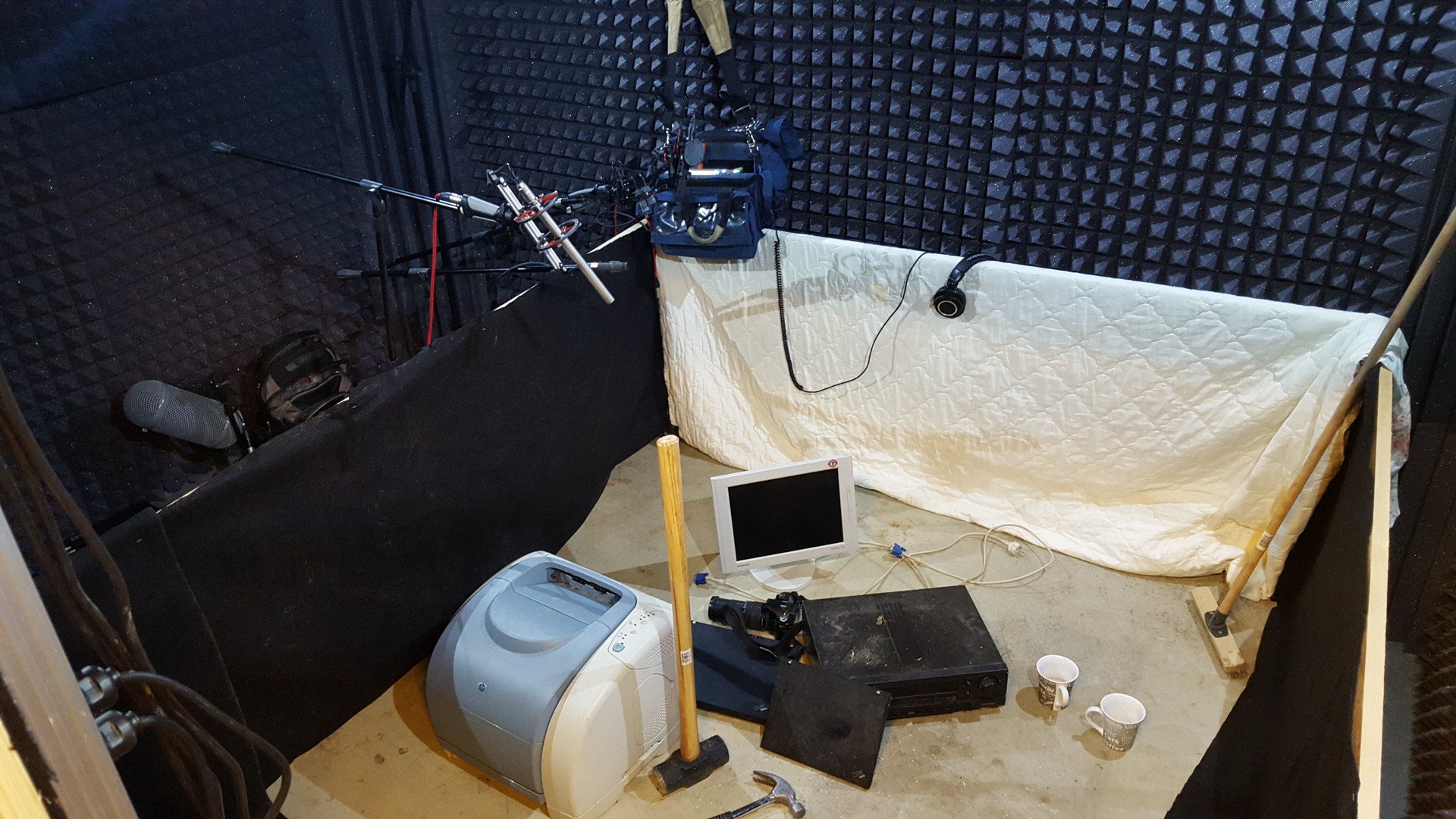
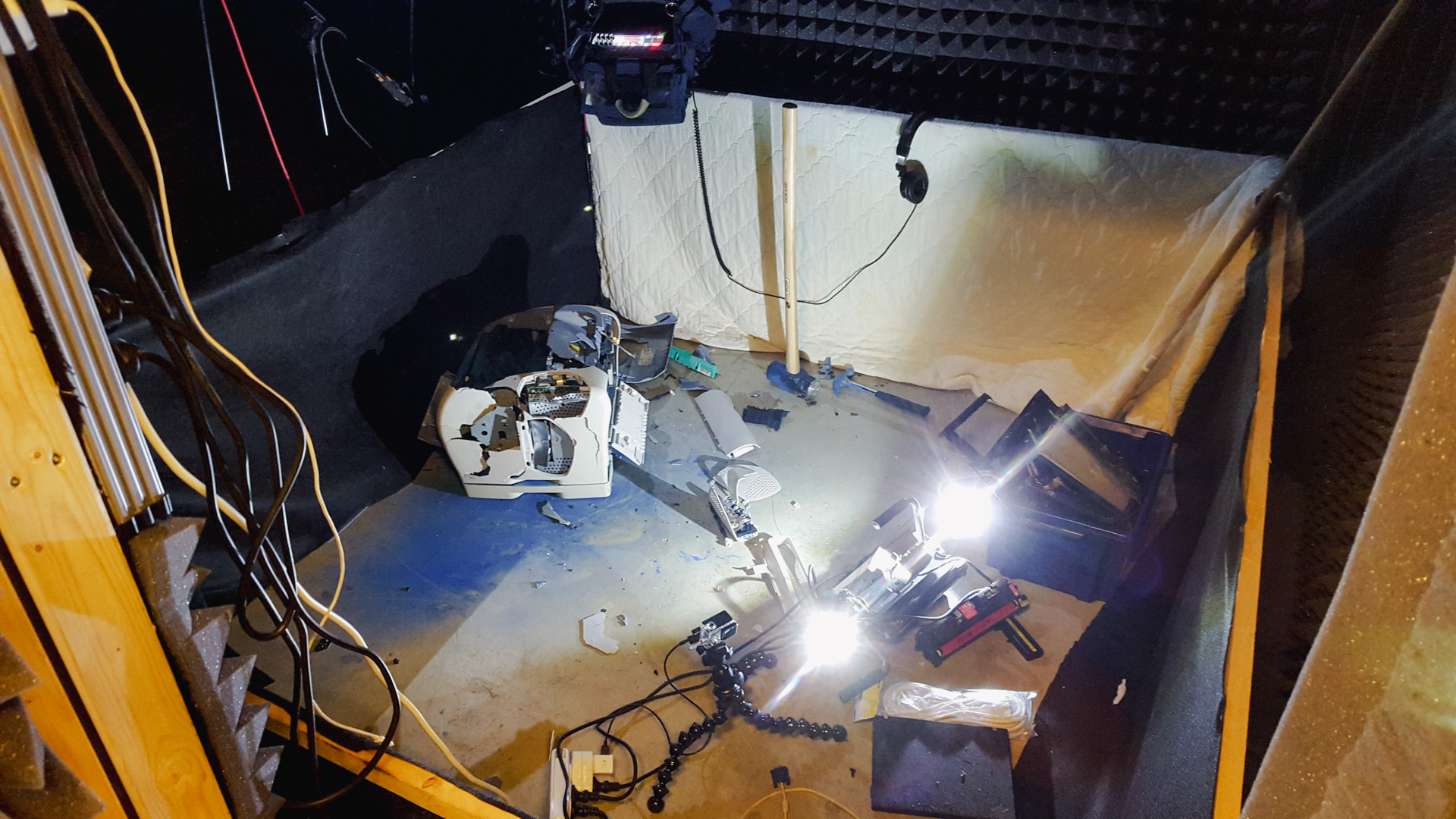
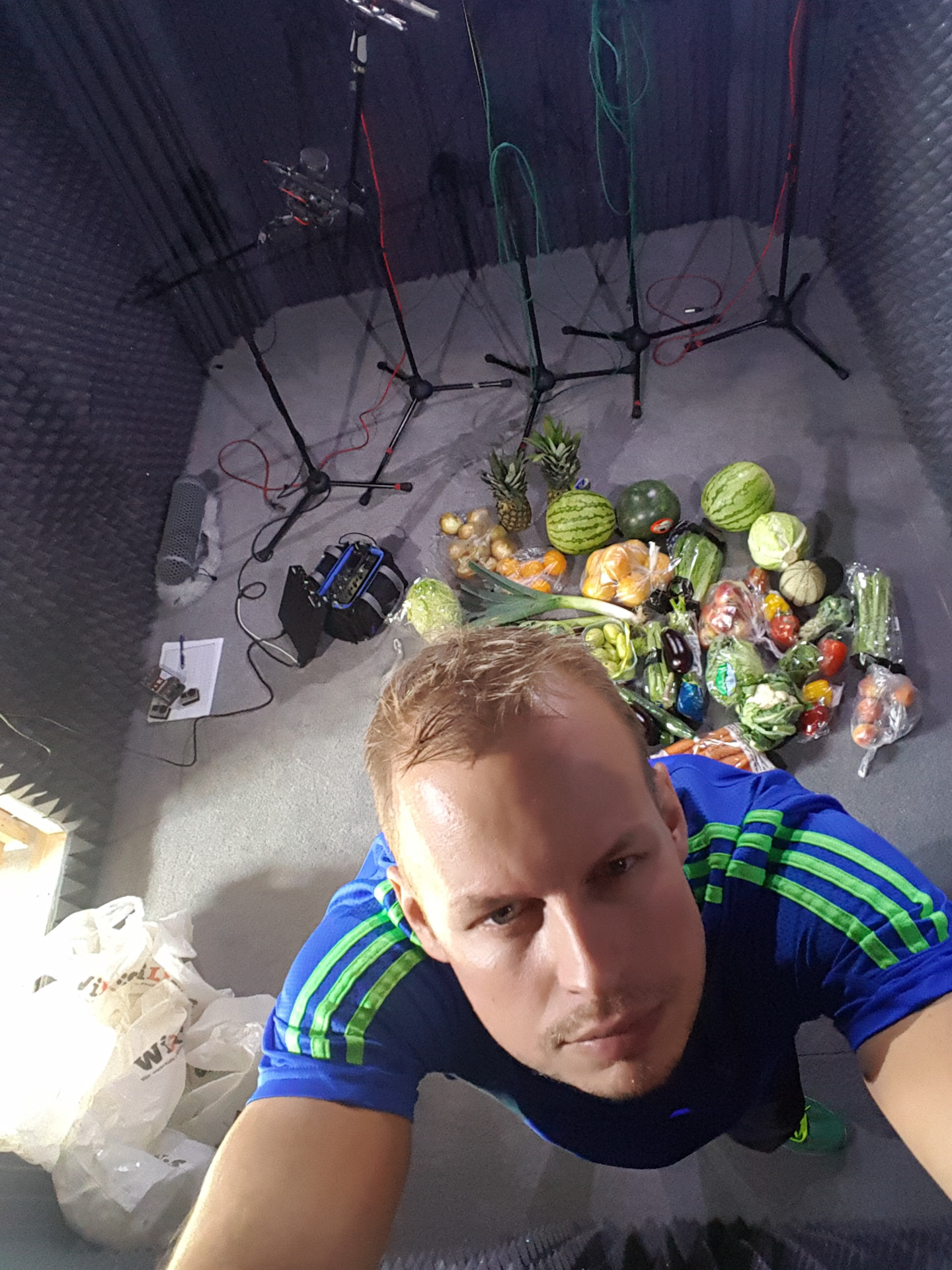
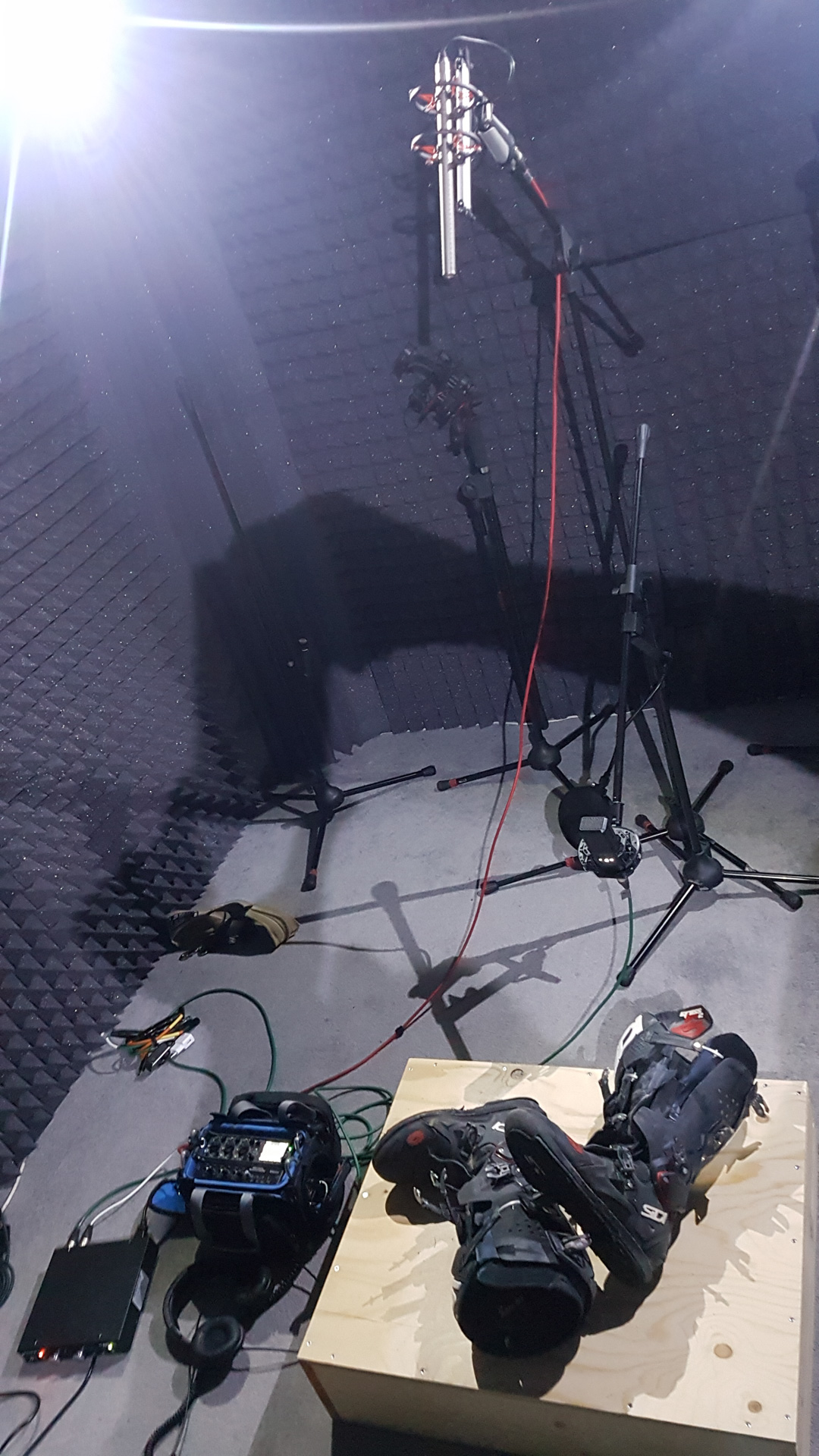
For precision, I smash, break, and experiment in controlled spaces. Think glass shattering for crisp impacts, fruits and veggies squished for gory effects (a watermelon crush pitch-shifted low becomes a monster's roar). Vocals get twisted into creature growls. The CO-100K shines here – those hidden high frequencies emerge when down-shifting octaves, adding richness without artifacts. I blend these with digital synths for futuristic tones, like combining a raw metal scrape with generated waveforms.
This echoes foley artistry in movies: Sounds are never what you think. A dragon's wings? A cheese grater dragged on a string. Laser beams? A stick whacking a radio tower's support wire. Breaking bones? Celery snaps, pitch-shifted down. In games, it's the same illusion – my libraries let devs craft these deceptions easily. High-quality sources mean endless transformations, keeping sounds fresh and immersive.
My Purpose-Built Sound Recording Room:The Creepy Creative Cave
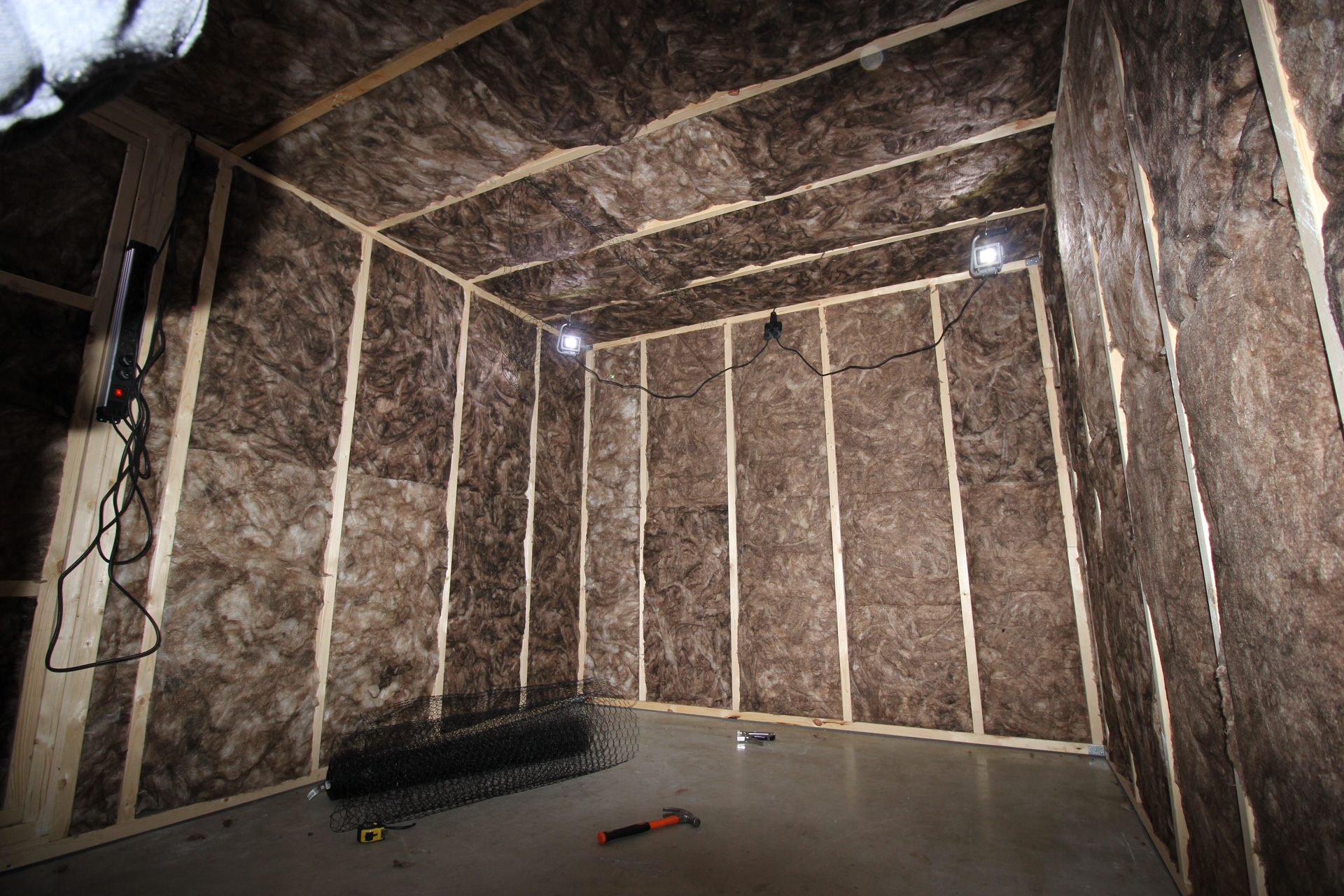
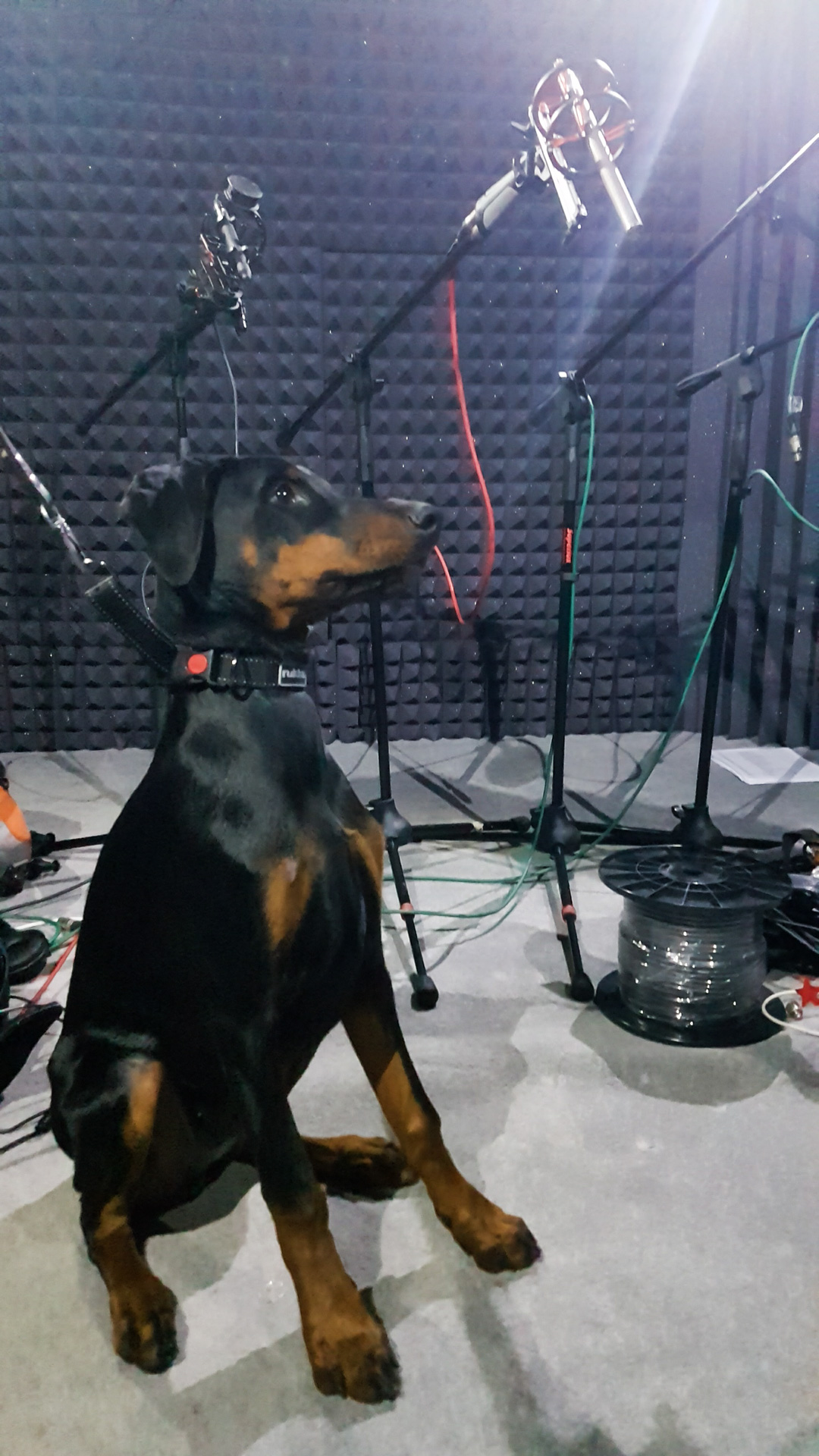
To level up indoor work, I built a dedicated sound room from scratch. Insulated walls cut echo to near-zero, with enough space for swinging props, smashing objects, or even light movement captures. The build was a marathon – planning acoustics, sourcing materials, testing reverb – but insanely fun. I documented it in a YouTube video that became my first to hit over a million views! It's not glamorous, though – more like a dimly lit workshop than a polished vocal booth. Looks a tad creepy, so I've never hired voice talent; they'd probably bolt at the sight, fearing a horror movie set. But it works wonders for isolated effects, letting me experiment without neighbor complaints.

Game Development: From Solo Jams to Ambitious Projects
Game dev is where my worlds collide – art, sound, code, and storytelling. I've co-developed, solo-built, and jammed my way through titles that push boundaries.
Line War: Teaming up with a partner for five intense years, we created this unique multiplayer RTS. What's different? A visual command system where you draw lines to direct armies – no micromanagement hell, just strategic strokes on a procedural map. It's hit over 1,000 Steam reviews, with a small but passionate community hosting tournaments and sharing strategies. I still play obsessively, battling to crack the global top-10 (some players have mastered it beyond belief). My roles? Everything visual: graphics, animations, sound effects, front-end presenters for units and structures, VFX and shaders, procedural terrain gen, command visuals, UI, fog-of-war, headless Linux servers, replay API, and all trailers/videos. It's a labor of love that keeps evolving.
Unfair Rampage: Knightfall: Released on Steam and Nintendo Switch, this fast-paced action platformer was born from the Ultimate Indie Program with GameDev.TV. I recorded every single minute of development as reference material – from idea brainstorming and prototyping to polish, Steam release, promotion, and publishing. Weekly design meetings and devlogs captured it all in Unity. It's designed for quick, adrenaline-fueled runs: dodge traps, battle foes, and rampage as a knight in a chaotic world.
Now, onto what's cooking:
Silkrun: An arcade racer channeling retro gems like OutRun, Super Cars 2, The Need for Speed, Test Drive, and Stunts. It's a hybrid top-down/chase racer with multiplayer focus and wild stunt tracks. Built in Unreal Engine, it leverages procedural terrain and Nanite for insanely detailed environments (ironic for a low-poly guy – I use low-poly workflows on branches and leaves to create lush, high-poly nature). The heart? Silky-smooth powersliding and drifting, even on keyboard, via my custom line-tracing and spring algorithms. Some will adore the feel; others might debate it – that's the fun!
Ultranova: This ambitious action-adventure platformer follows cyborg Nova, stranded on a hostile planet after her Reaper ship crashes. Fight, explore, and escape through dynamic environments. Prototyped in Unity, but migrating to Unreal for Nanite's mesh magic and Lumen's lighting wizardry.
Side Project with My Son: We're crafting an open-world sandbox set in a fictional 1980s oppressed Eastern state. Stealth, story, and survival blend as you build a Western muscle car bolt-by-bolt in secret, then escape the tyranny in style. Unreal Engine powers it with Nanite, Lumen, Ultra Dynamic Sky for weather, and Errant Photon for worlds/roads. We're using Rokoko motion-capture suits for fluid animations, plus inventory, interaction, and stealth systems. More details soon – it's our father-son bonding epic.
I've also solo'd 13 consecutive Ludum Dare game jams (from LD36 onward), creating everything from scratch in 48 hours. Play them on my itch.io page; some have narrated timelapses breaking down the chaos of ideation to polish.
YouTube and Community: Sharing the Journey
My YouTube channel launched in 2009 to promo my music – short clips with beats. By 2014, I shifted to game assets and dev content, watching it grow steadily. The rocket boost? 2020's COVID era, when I started the "10-Minute Modeling Challenge" in Blender. From 1,000 to 100,000 subscribers in months! I cranked out weekly episodes to #100, teaching low-poly tricks, color palettes, rigging, and animation. Now, they're occasional, but my focus is elevating: deeper educational videos on 3D modeling, animation, and game dev, blending tutorials with entertainment.
Community-wise, my Imphenzia Discord is a cozy hub for dedicated fans. It's small but vibrant – sharing WIPs, tips, and collabs. Balancing time is tricky; I have active streaks, then quieter phases when projects pull me away.
The Ultimate Indie Program: Teaching the Full Pipeline
In 2025, I partnered with GameDev.TV for the Ultimate Indie Program – a 7-week bootcamp teaching indie dev from zero to launch. We cover idea generation, genre choices, prototyping, tools, development, polish, marketing, and release. Running a few times a year, it's rewarding seeing participants' games evolve and hit Steam. If you're dreaming of your own indie hit, it's the roadmap.
Community-wise, my Imphenzia Discord is a cozy hub for dedicated fans. It's small but vibrant – sharing WIPs, tips, and collabs. Balancing time is tricky; I have active streaks, then quieter phases when projects pull me away.
Beyond the Screen: Life, Hobbies, and Balance

When I'm not glued to Blender, Unity, or Unreal, life's about family and recharge. I love badminton sessions with my daughter, cheering at my kids' soccer games, and quality time with my wife and three children. Motocross was a thrill (until a 2019 crash sidelined me) – hoping to dust off the bike here in Australia. Brisbane's endless summer fuels it all, but I wouldn't trade my creative chaos for anything.
Ready to Collaborate or Create?
Hop into the Imphenzia Discord, snag assets or music, support on Patreon, or drop a comment on YouTube – I read 'em all. Let's make something epic together. What's your next project? 🚀
I wonder if ANYONE is still reading at this point - but I'm glad to have shared my story =)